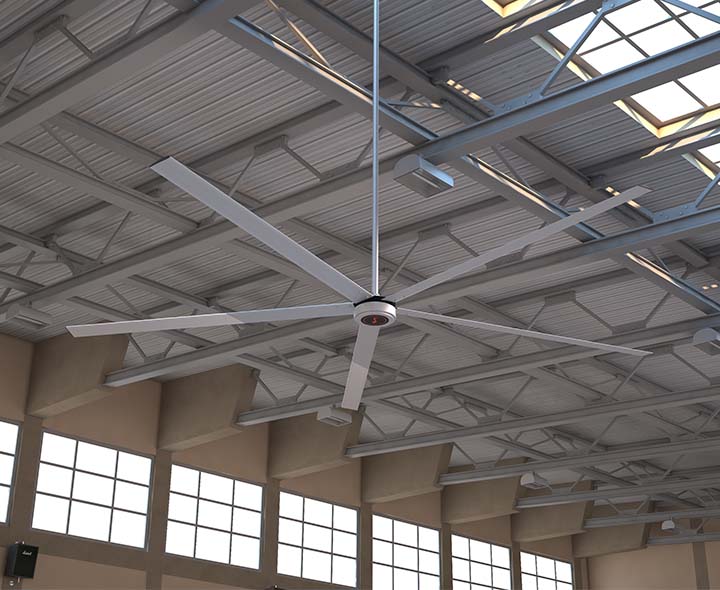
Ventiladores HVLS Série M650
More
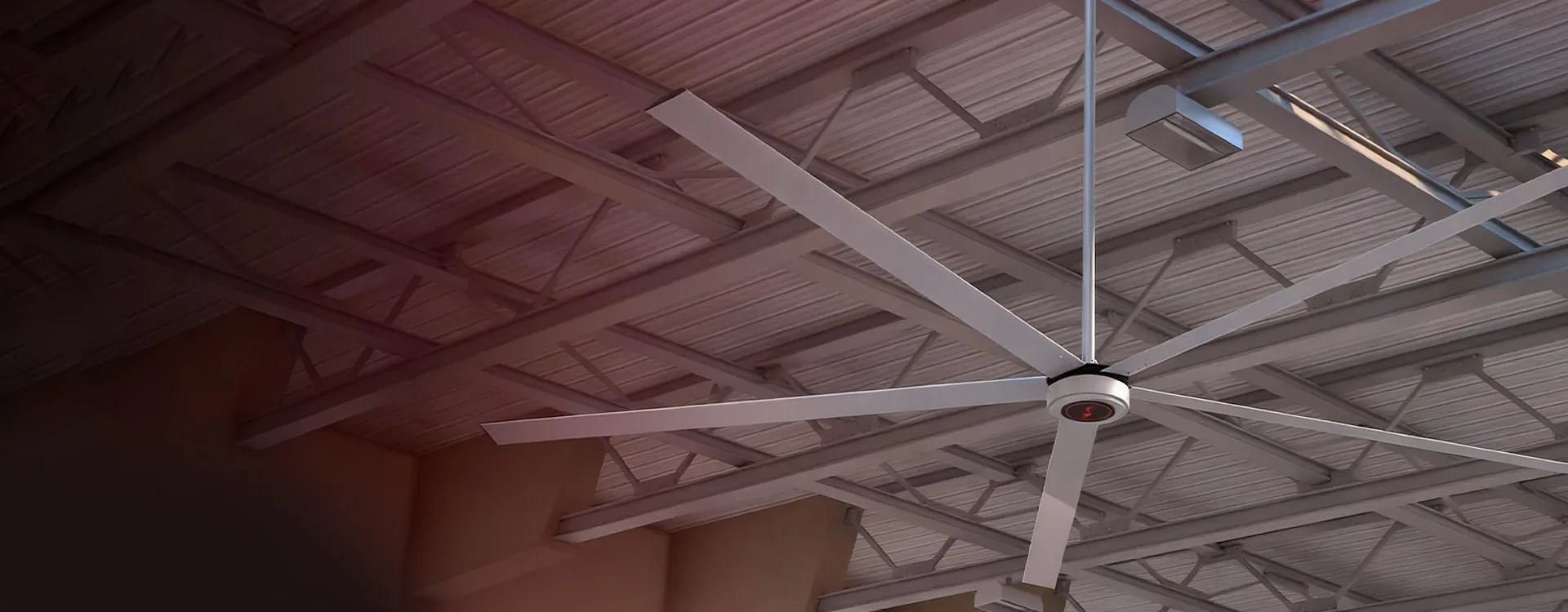
High ceiling buildings need airflow that reaches the occupied zone without creating uncomfortable drafts or installation conflicts. This page provides a procurement ready approach to choose large ceiling fans for high ceilings including diameter selection quantity planning placement rules and acceptance checkpoints. Share your ceiling height layout and obstacles and we will recommend a configuration that fits your project schedule and compliance needs.

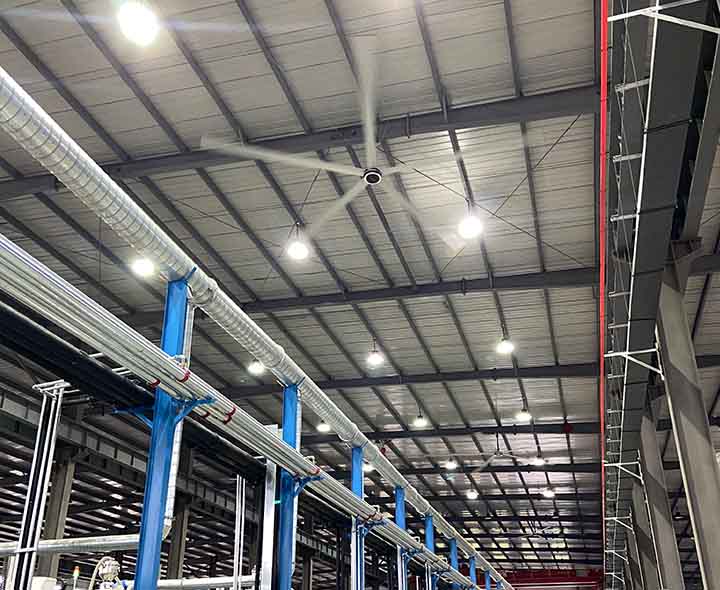
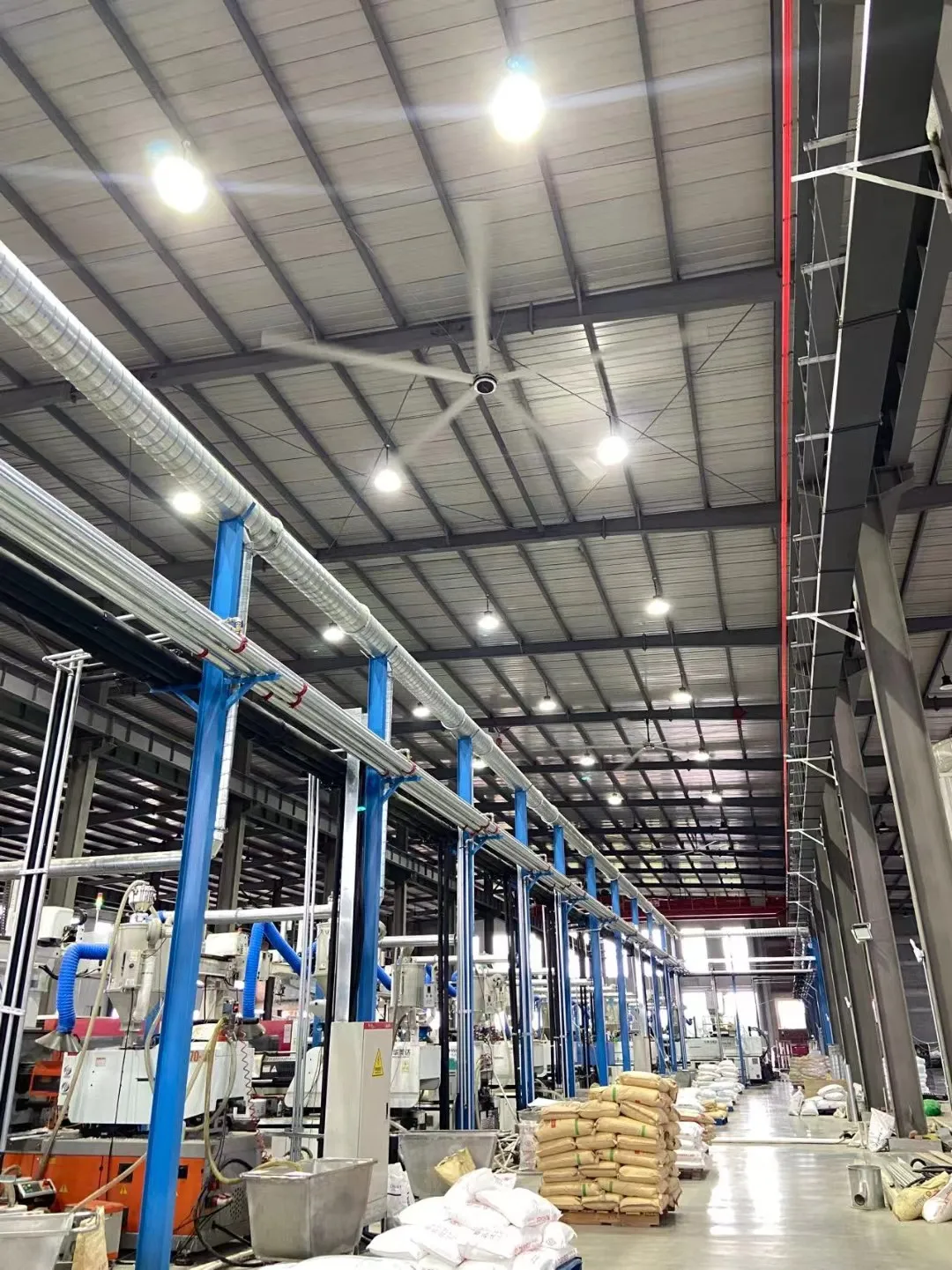
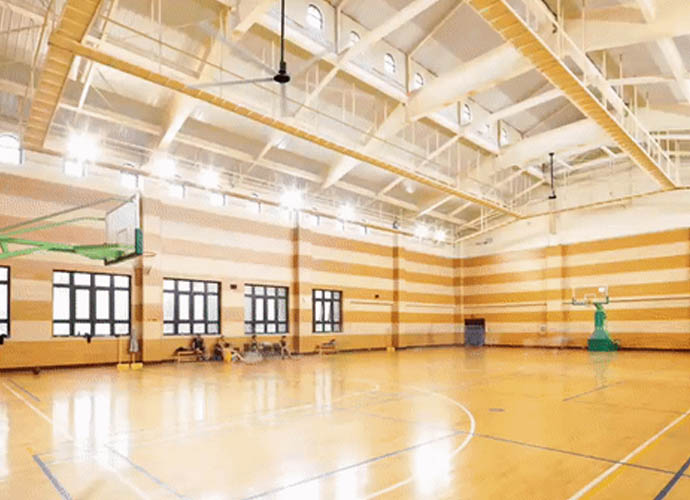
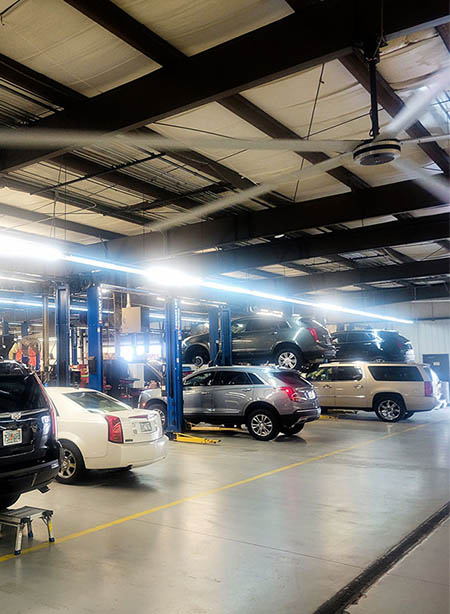
In high ceiling warehouses factories and public venues the challenge is not only airflow volume but distribution and reach. Small fans often circulate air near the ceiling while leaving the work floor unchanged. Large ceiling fans for high ceilings are specified because fewer units can deliver more uniform circulation when diameter height clearance and placement are planned correctly. A project ready selection must also consider roof structure cranes sprinklers ducts lighting and maintenance access.
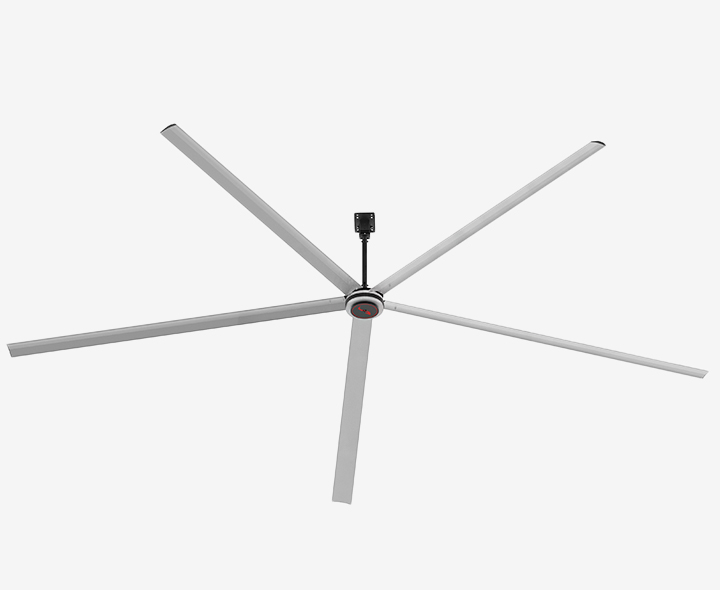
Start by confirming the effective height between the fan and the occupied zone and the required clearance to cranes ducts sprinklers lights and racks. High ceiling projects often have multiple constraints. When clearance is defined early you avoid wrong diameter choices and reduce redesign during installation.

Diameter should match the target coverage zone and the ceiling height range. Larger diameter fans typically cover wider areas with fewer units which simplifies wiring and maintenance. Procurement teams should compare layouts by coverage uniformity and unit count rather than focusing on one fan only.
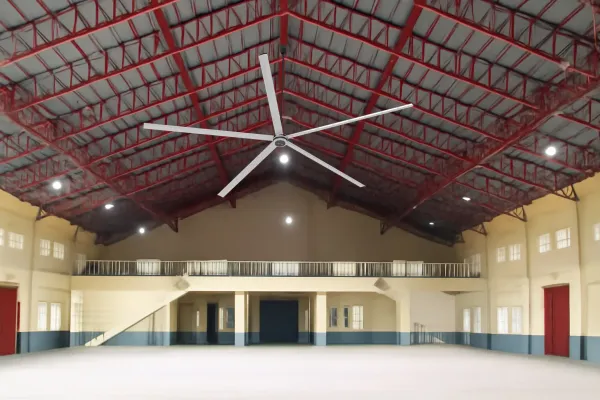
For large ceiling fans for high ceilings placement matters as much as size. Identify obstacles and heat zones then plan fan spacing to keep airflow consistent. Avoid placing fans too close to walls corners or directly above equipment that blocks airflow. A zoning approach improves comfort and performance in mixed areas such as racks plus loading lanes.
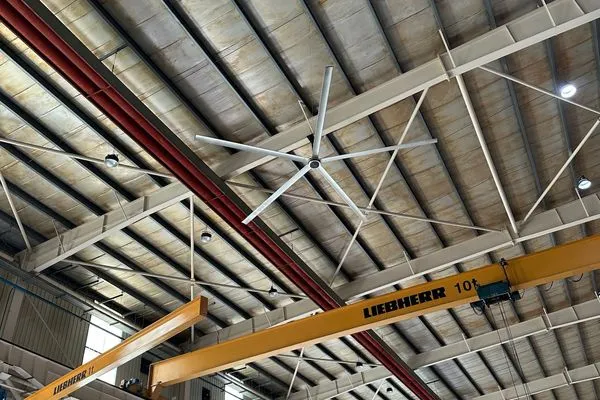
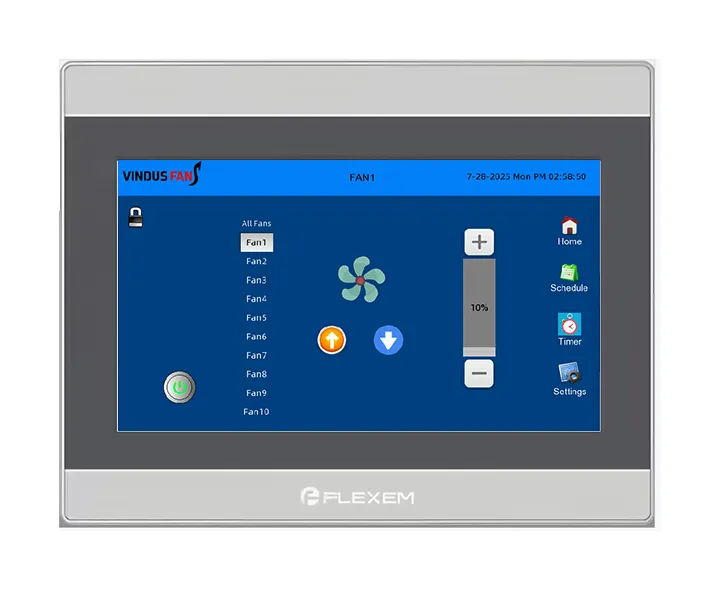
High ceiling facilities often require multiple fans operating together. Define whether you need single control group control or zoning schedules by shifts. The right control strategy reduces energy use and keeps comfort stable across different areas without constant manual adjustments.
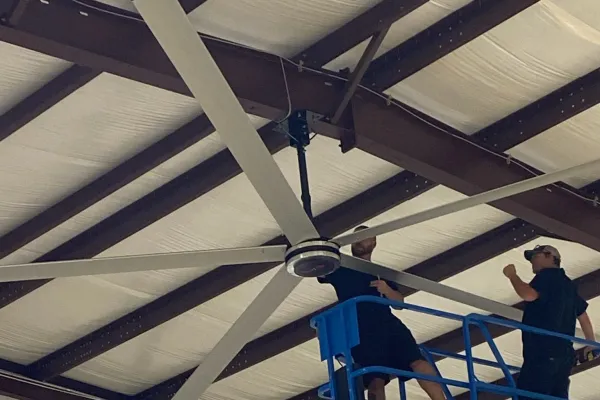
Step 1 Collect Site Data:Building length width effective ceiling height roof type obstacles and power supply. Include cranes ducts sprinklers lighting and racks. Step 2 Select Diameter and Quantity:Choose diameter based on target coverage and height then calculate quantity to achieve uniform circulation with minimal dead zones. Step 3 Placement and Zoning Rules:Confirm spacing from walls and obstacles define zones for workstations and loading areas and plan fan positions to maintain consistent airflow paths. Step 4 On Site Acceptance Checklist:Verify mounting security clearance control response direction test speed range and a commissioning record for handover and maintenance.

Large diameter solutions often reduce unit count wiring and maintenance points in high ceiling buildings.
Clearance based planning reduces conflicts with sprinklers ducts lights and cranes.
Uniform circulation helps stabilize temperature layers and improves comfort on the work floor.
Looking for solutions for specific projects such as warehouse cooling, factory ventilation or big industrial ceiling fans? Explore our Solutions and Applications pages or contact our engineering team for a customized HVLS fan layout design.

Common questions engineers and procurement teams ask when planning high ceiling fan projects.
We will reply you within 24 hours. If for urgent case, please add WhatsApp/WeChat: +1 951 565 7769,. Or call +1 951 565 7769 directly.
*We respect your confidentiality and all information are protected.
We will only use your information to respond to your inquiry and will never send unsolicited emails or promotional messages.