siga-nos:
12th, Feb 2026
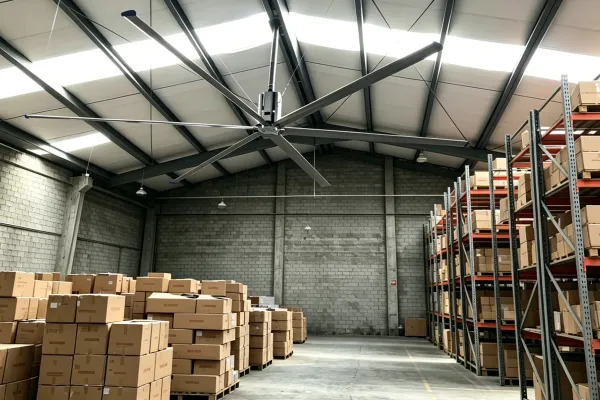
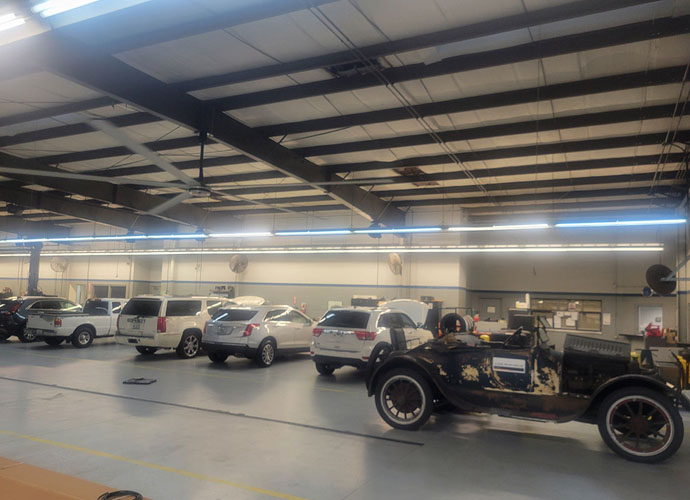
Hot bays, cold corners, fumes, and sweaty crews can turn a shop into a comfort and safety problem. Poor airflow also makes it harder to control humidity and keep temperatures steady. An hvls fan fixes this by creating consistent air movement across the work zone—without the noise and chaos of floor fans.
leia mais
10th, Feb 2026
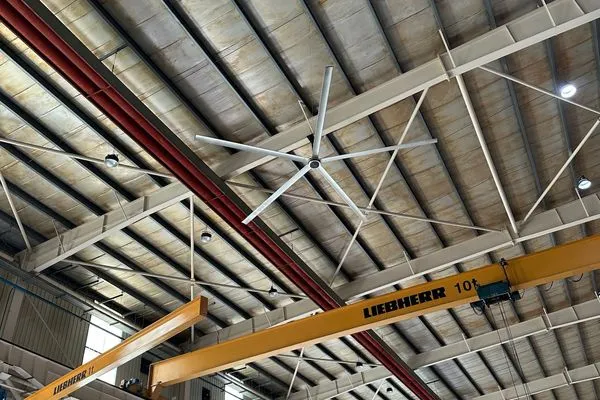
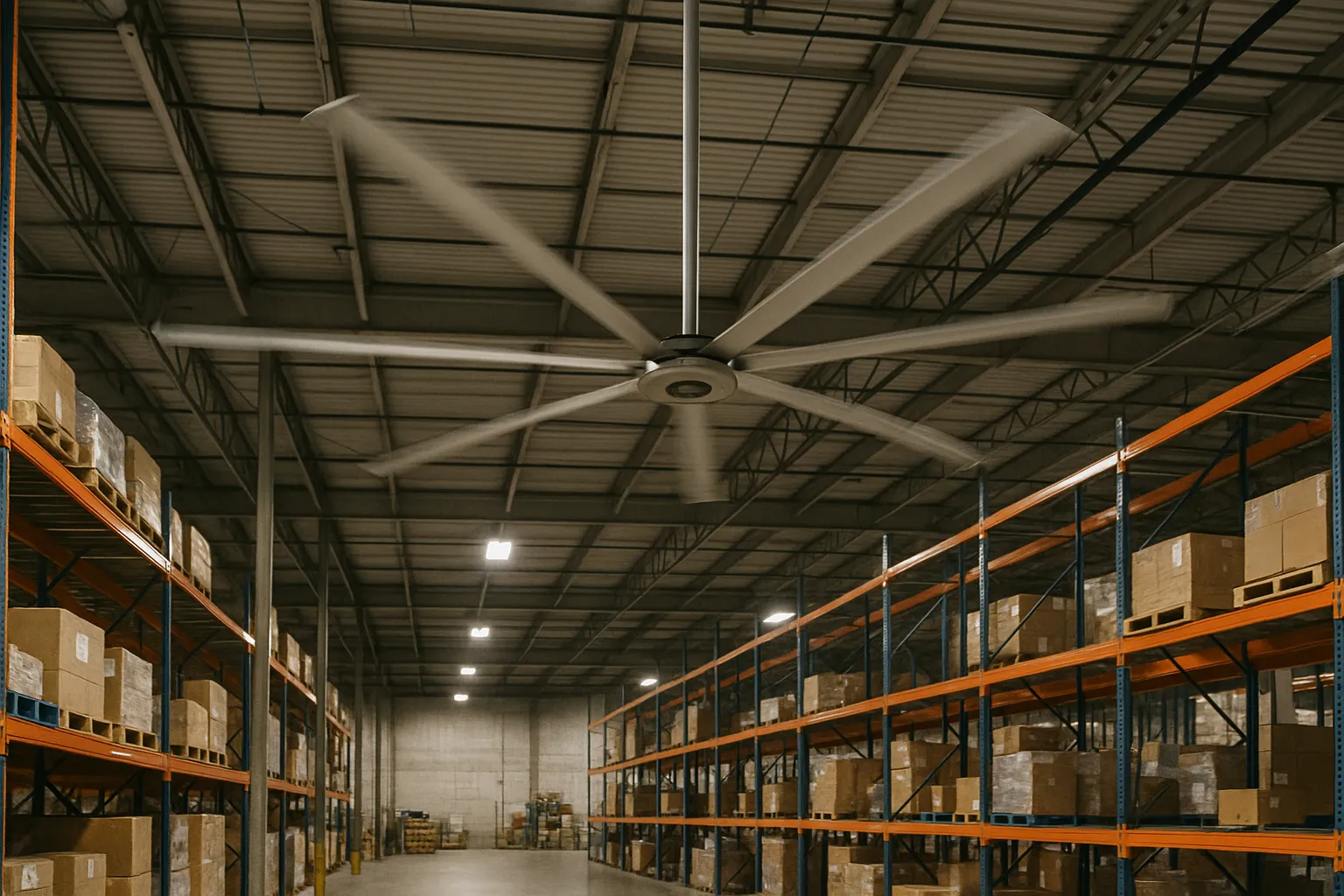
Improve warehouse comfort & lower energy costs with HVLS fan ventilation design. Maximize airflow & air circulation with industrial ceiling fans. Benefits of HVLS.
leia mais
7th, Feb 2026
Find the perfect commercial ceiling fan without lights for large spaces. Learn how to choose the right industrial ceiling fan for optimal airflow.
leia mais
19th, Jan 2026
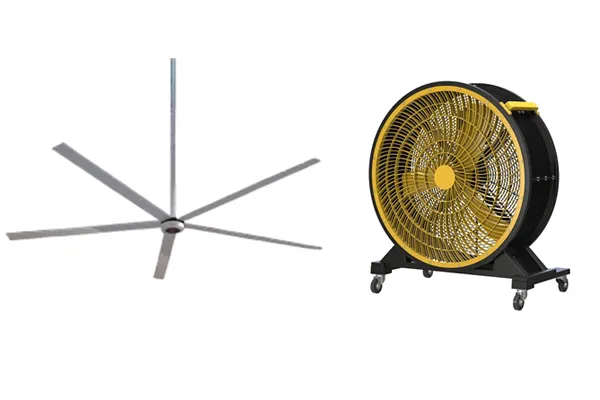
An objective analysis for facility managers. Understand the appropriate applications, costs, and performance trade-offs between HVLS fans, HVAC, and industrial fans for your sports facility.
leia mais
17th, Jan 2026
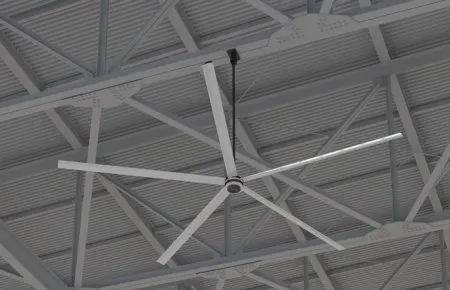
High-Volume, Low-Speed (HVLS) fans are climate control devices engineered for large, high-ceilinged spaces like warehouses and distribution centers. Their core principle of operation is seasonal. In the summer, they generate a broad, slow-moving column of air that enhances the "wind chill effect" by accelerating moisture evaporation from the skin, thereby improving perceived comfort without altering the ambient air temperature. In winter, their function shifts to "destratification," a process where they slowly push the buoyant, heated air trapped at the ceiling back down to the occupied floor level. This recovers thermal energy, equalizes the indoor temperature gradient, and can significantly reduce the operational load on heating systems.
leia mais
14th, Jan 2026
The operational lifespan of an industrial fan is typically between 10 to 20 years. For high-quality, well-maintained High-Volume, Low-Speed (HVLS) fans, this can extend up to 50 years. A fan's ultimate longevity is contingent upon three core engineering factors: the quality of its manufacturing and materials science, the severity of its operating environment, and the consistency of its preventive maintenance schedule. The vast majority of industrial-grade fans are designed for 24/7 continuous operation.
leia mais