siga-nos:
8th, Nov 2025
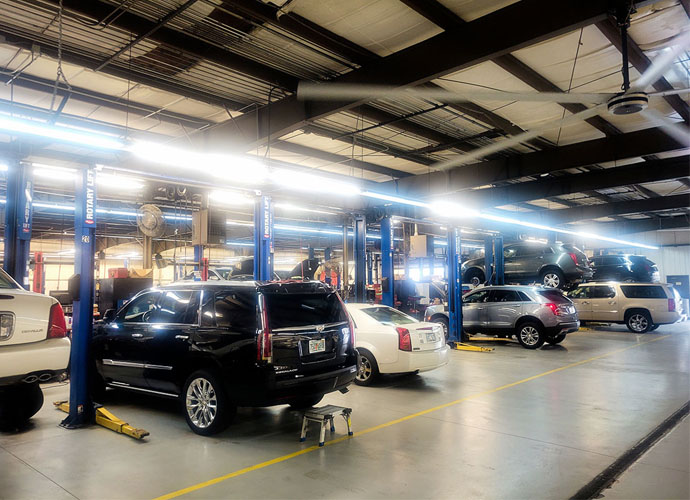
Your huge warehouse has a big problem. The air doesn't move. In summer, it gets too hot. In winter, all the warm air gets trapped at the ceiling. This makes workers unhappy and your power bills soar, costing you money every day. This is a common issue called air stratification.
leia mais
6th, Nov 2025
Is your big room hot and stuffy? Does the air just sit there? In the winter, is the ceiling warm but the floor is cold? These problems cost you money. They make workers unhappy and less productive. Customers may not want to stay long. Your heating and cooling bills are too high. This is a big problem for any commercial building. You need a real factory cooling solution.
leia mais
6th, Nov 2025
HVLS Fans in the Winter: Optimize winter heating with ceiling fan direction! Discover how low speed HVLS ceiling fans mix the warmer air for energy savings.
leia mais
5th, Nov 2025
Do you own a big building? Is your power bill very high? It costs a lot to keep large spaces warm in the winter and cool in the summer. This is a big problem for many business owners. The cost to run the heat and the air conditioner keeps going up. It feels like you are just throwing money away.
leia mais
3rd, Nov 2025
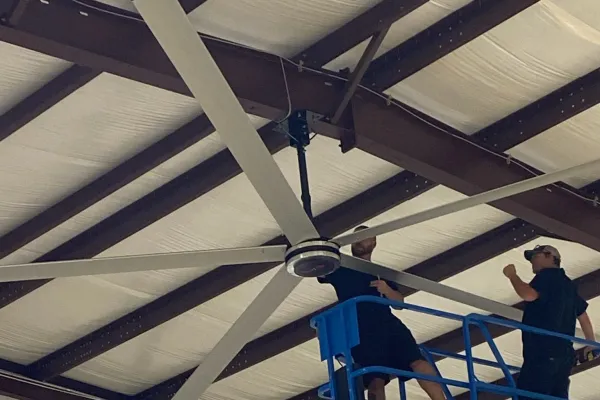
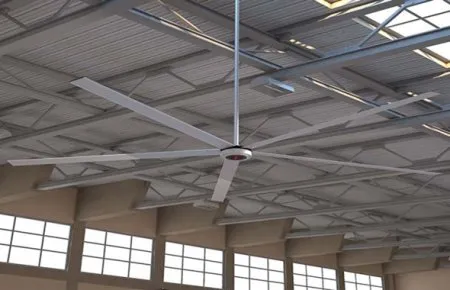
Is your big building hot? Does the air feel thick and still? This is a big problem. When a warehouse is hot, work is hard. People feel tired. They move slowly. The air can feel heavy. This makes everyone unhappy. It can even make people feel sick. Bad air can also hurt things you store. Moisture can build up. This can ruin boxes and products. This costs you money. High energy bills from air conditioners also cost a lot of money. You are losing money every minute the air is bad. But there is a great solution. A big warehouse fan can fix this. These are not like small fans. They are very big and very smart. They are called High-Volume Low-Speed (HVLS) fans. This guide will show you how these amazing fans work. They will make your space better, save you money, and make your workers happy.
leia mais
3rd, Nov 2025
In the operational management of modern industrial, logistical, and large-scale commercial facilities, the optimization of the internal environment is a critical determinant of both energy expenditure and workforce productivity. The challenge of maintaining thermal comfort and adequate air quality across vast, high-ceiling spaces presents a significant operational hurdle. While conventional Heating, Ventilation, and Air Conditioning (HVAC) systems offer a solution, their substantial energy consumption and intensive maintenance schedules represent a major component of a facility's operating expense. This economic pressure has catalyzed the search for more efficient, sustainable, and cost-effective air circulation technologies.
leia mais