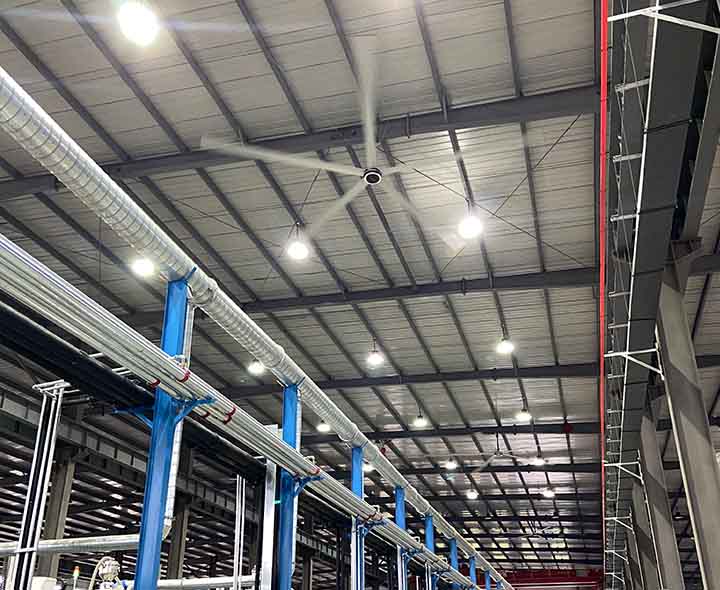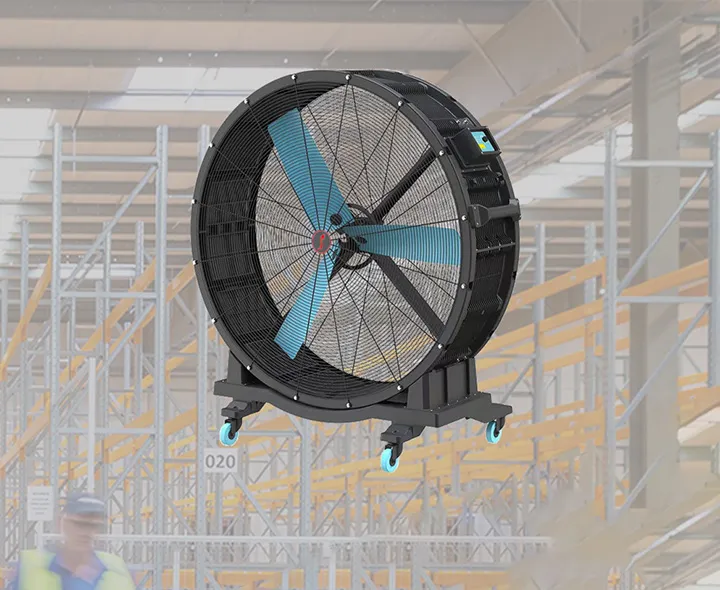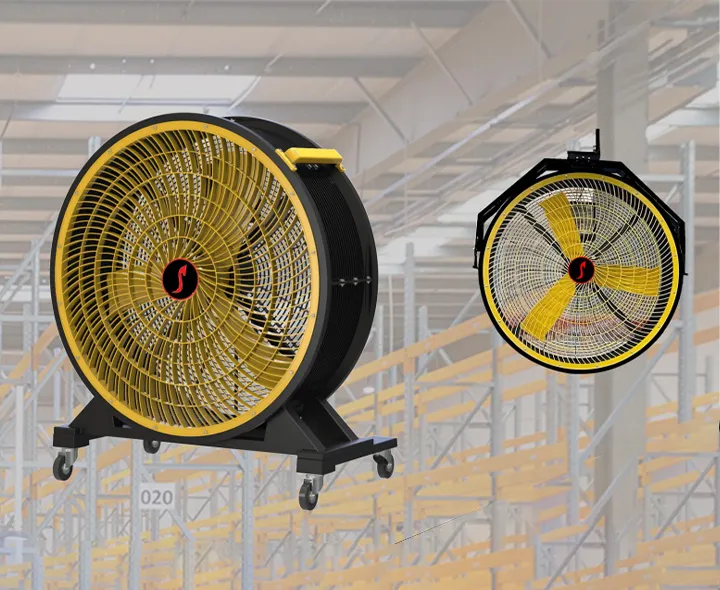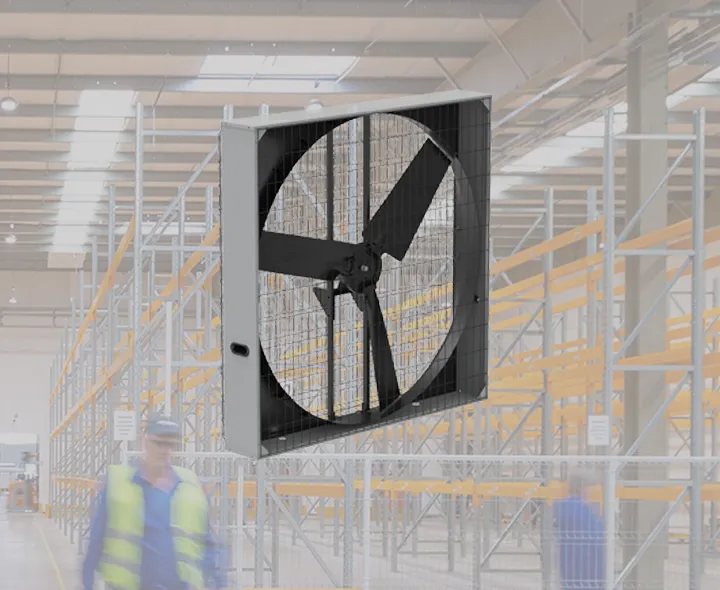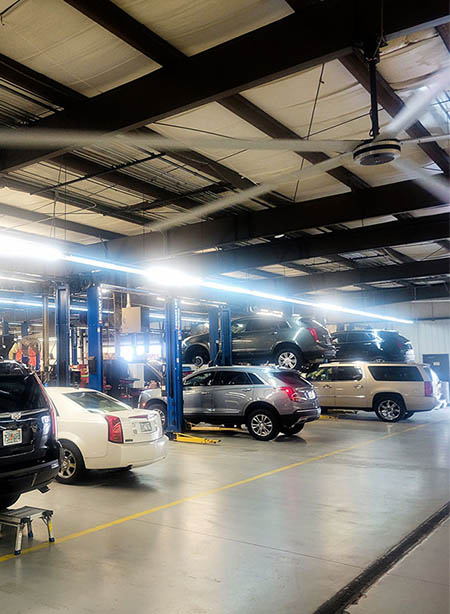
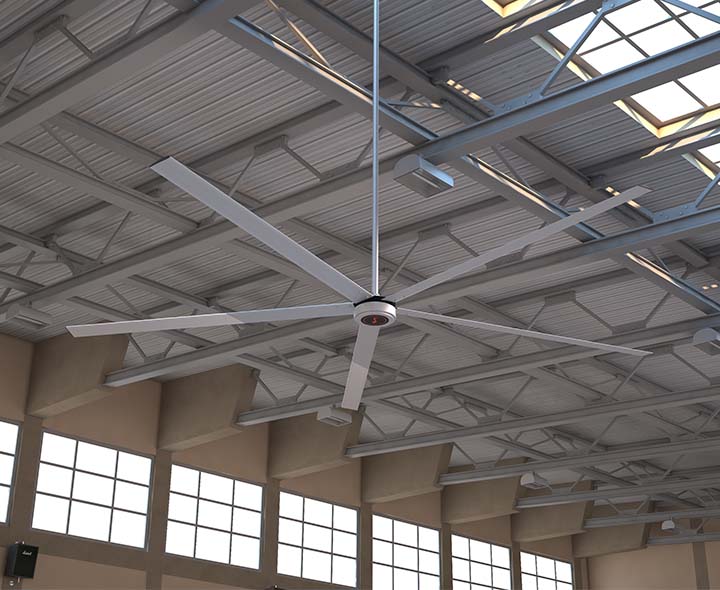
एम650 सीरीज एचवीएलएस पंखे
More

Industrial cooling systems are not only about lowering temperature. For factories warehouses and large commercial buildings the real challenge is balancing comfort energy cost and long term operational stability. This guide explains a practical cooling roadmap that combines airflow circulation HVAC optimization and operational strategy to help engineering teams and procurement managers achieve measurable cooling results with predictable ROI.

Many facilities invest heavily in cooling equipment but still experience hot zones uneven comfort and rising energy bills. The root cause is often treating cooling as a single equipment decision rather than a system design problem. Effective industrial cooling systems must address heat accumulation air stratification and energy distribution together. Without a clear roadmap even powerful HVAC systems struggle to perform efficiently in large open spaces.
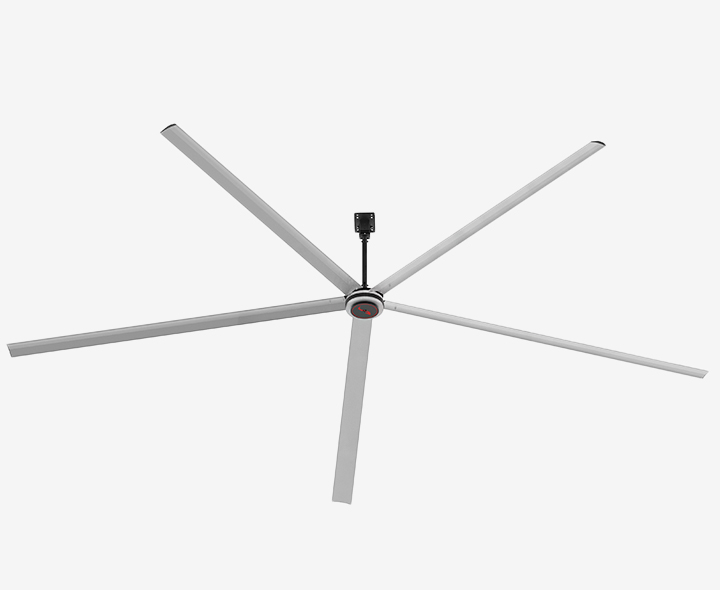
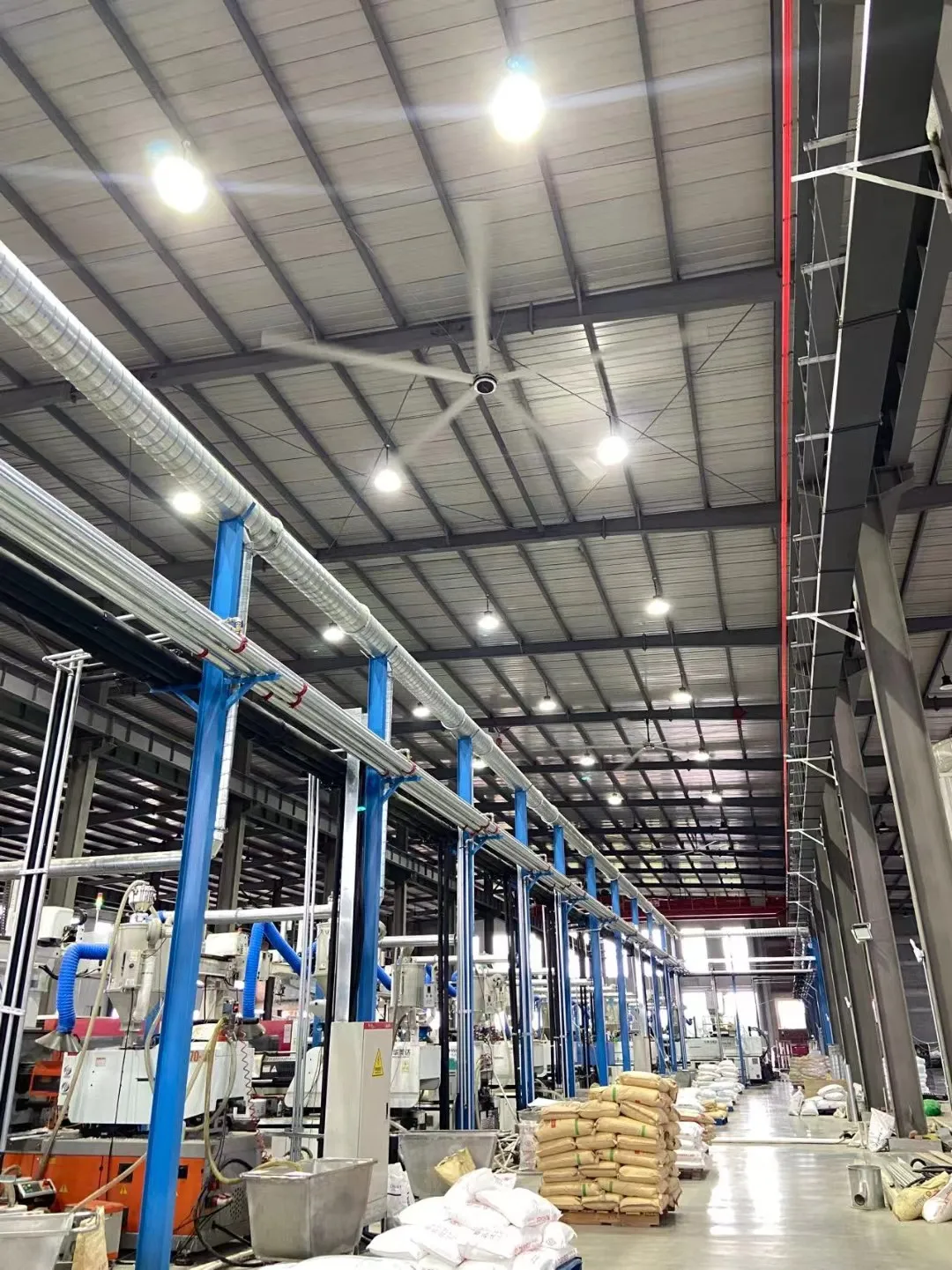
In large industrial buildings heat naturally accumulates near the ceiling while occupied zones remain uncomfortable. Establishing airflow circulation is the foundation of effective cooling systems industrial facilities rely on. By moving air vertically and horizontally temperature layers are stabilized allowing existing HVAC or fresh air systems to operate more efficiently without increasing capacity.

Industrial cooling systems work best when different technologies support each other. HVLS airflow circulation improves the distribution of cooled air while HVAC systems handle temperature reduction and humidity control. This collaboration reduces short cycling improves comfort consistency and often allows lower HVAC setpoints without sacrificing performance.
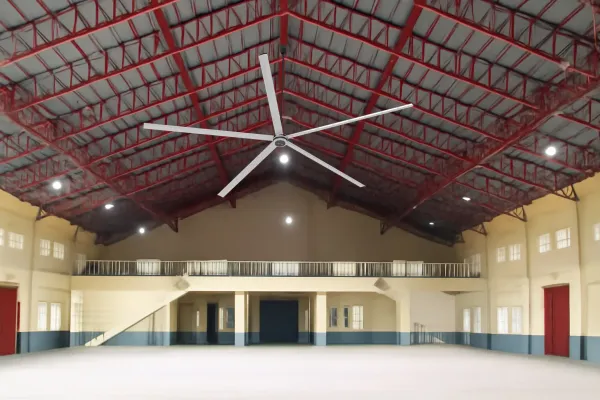
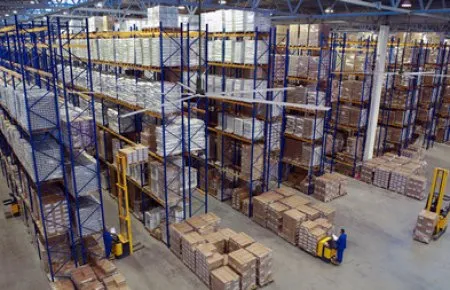
Not all areas require the same cooling intensity. Production lines packing zones loading areas and storage racks generate different heat loads. A zoning approach allows industrial cooling systems to target airflow and cooling where it matters most while avoiding unnecessary energy use in low priority areas.
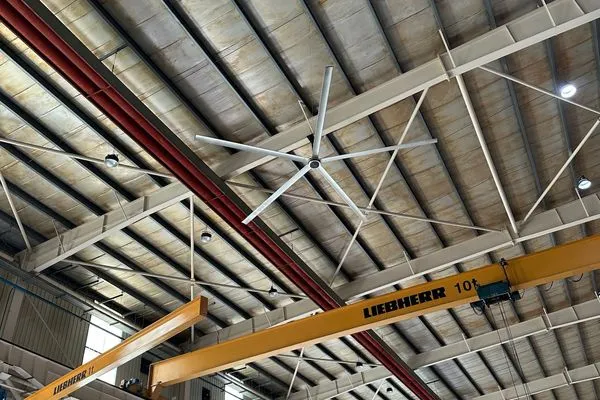
Cooling performance depends not only on equipment but on how it is operated. Scheduling airflow circulation during peak heat hours and maintaining low speed operation during normal shifts helps reduce energy consumption while preserving comfort. Control strategies turn cooling systems industrial facilities depend on into predictable long term assets.
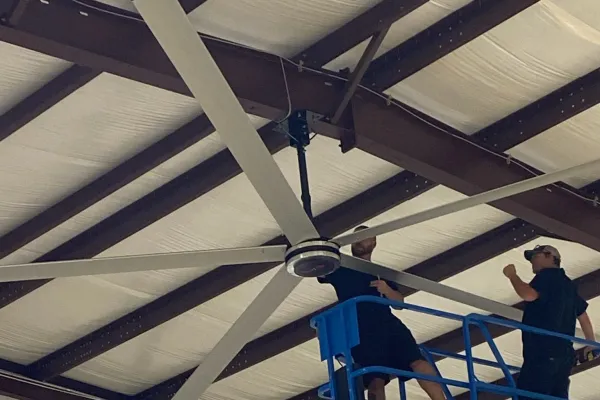
Cooling System Roadmap:Assess heat sources and building volume define airflow circulation plan integrate HVAC capacity implement zoning and establish operational schedules. Engineering Deliverables:Airflow layout drawings equipment configuration lists control logic descriptions and installation guidance for contractors. Energy and ROI Evaluation:Baseline energy consumption estimate operational savings reduced HVAC runtime and expected payback period. On Site Acceptance Points:Verify airflow coverage temperature stabilization control response energy monitoring setup and commissioning documentation.

By improving air distribution cooling capacity is used more efficiently reducing total energy spend.
Cooling systems can be expanded or adjusted as production layouts change without major redesign.
Consistent airflow and temperature reduce complaints downtime and maintenance pressure.
Looking for solutions for specific projects such as warehouse cooling, factory ventilation or big industrial ceiling fans? Explore our Solutions and Applications pages or contact our engineering team for a customized HVLS fan layout design.

Common questions from procurement teams engineers and contractors planning ventilation for large factories.
We will reply you within 24 hours. If for urgent case, please add WhatsApp/WeChat: +1 951 565 7769,. Or call +1 951 565 7769 directly.
*We respect your confidentiality and all information are protected.
We will only use your information to respond to your inquiry and will never send unsolicited emails or promotional messages.