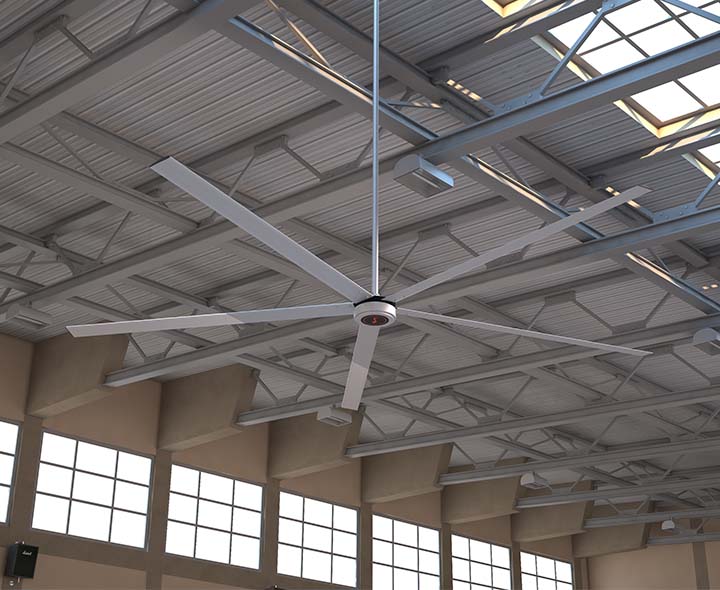
M650 Series HVLS Fans
More
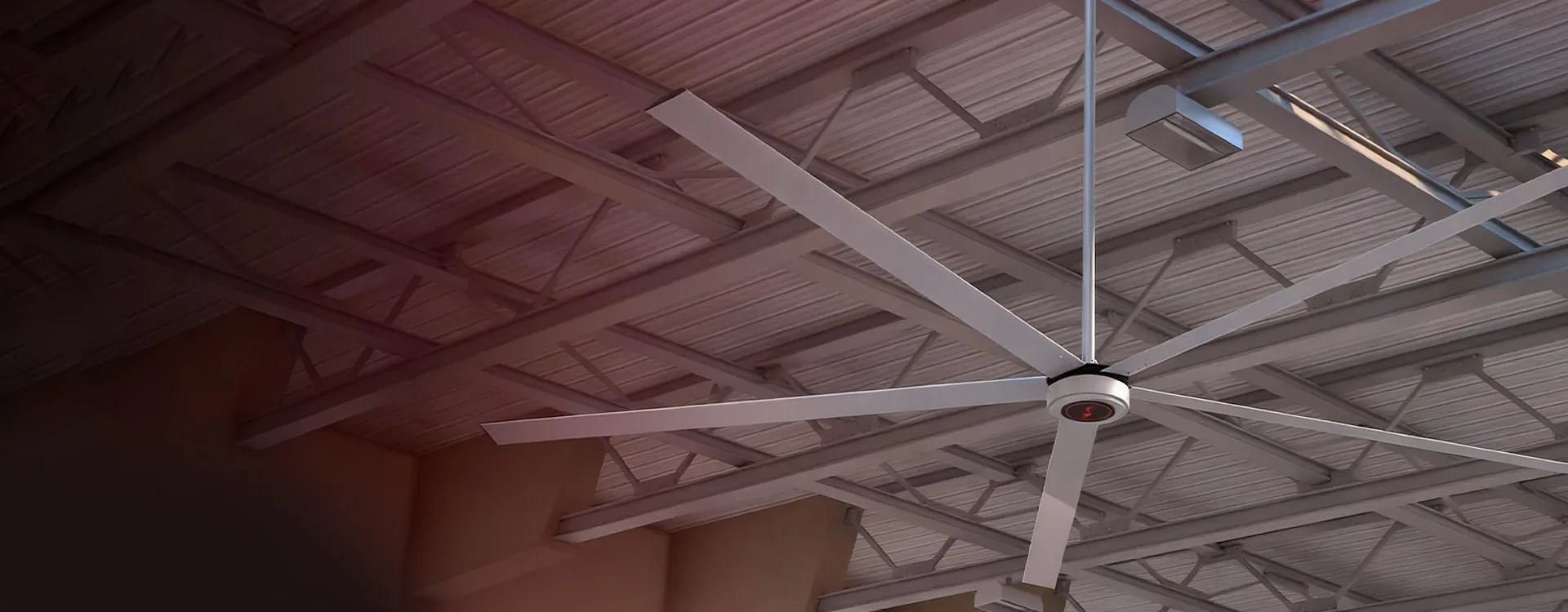
Noise is a project risk. In many facilities fans must improve comfort without disrupting communication training customer experience or production focus. This page explains how to specify quiet industrial fans using practical noise expectations, application zoning and acceptance test methods so procurement and contractors can purchase with confidence and complete smooth handover.

Quiet does not mean weak airflow. The best quiet industrial fans deliver stable circulation at low speed with minimal mechanical noise and low wind noise. In real projects the goal is comfortable airflow that supports work and customer experience without distraction. That is why noise must be treated as a measurable requirement alongside coverage clearance and control strategy. This guide helps you define quiet targets correctly and avoid buying the wrong product for noise-sensitive areas.
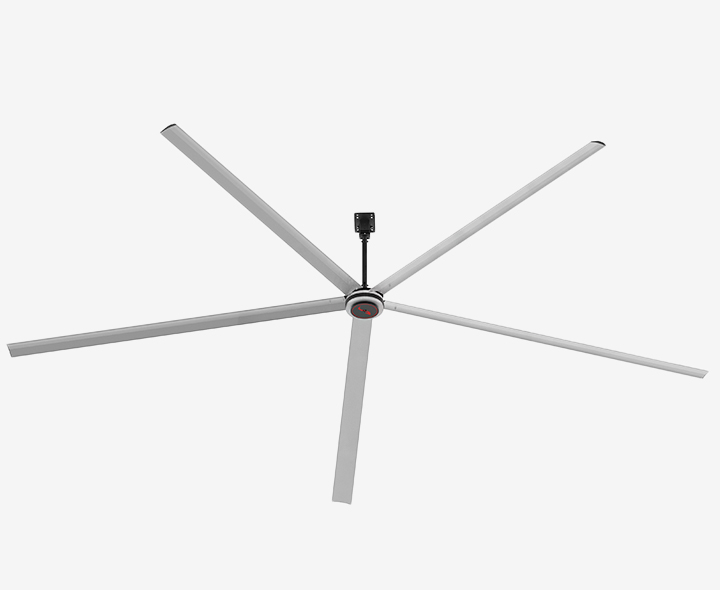
Industrial fan noise usually comes from two sources mechanical noise and airflow noise. Mechanical noise is affected by motor quality balance and installation stability. Airflow noise is affected by blade design speed settings and turbulence near obstacles. A quiet fan solution focuses on stable low RPM operation correct placement and a control strategy that avoids unnecessary high speed use in noise sensitive zones.

Different areas require different comfort and noise levels. For example packing lines meeting zones reception and training areas typically require quieter operation than loading docks or open storage zones. A zoning approach lets you set quiet requirements by area and match fan size and speed settings accordingly instead of forcing one setting for the entire facility.
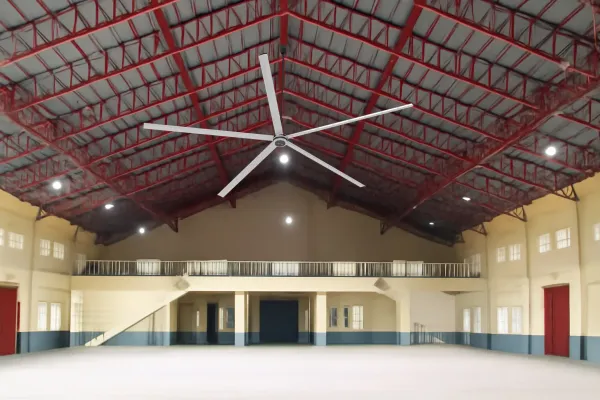
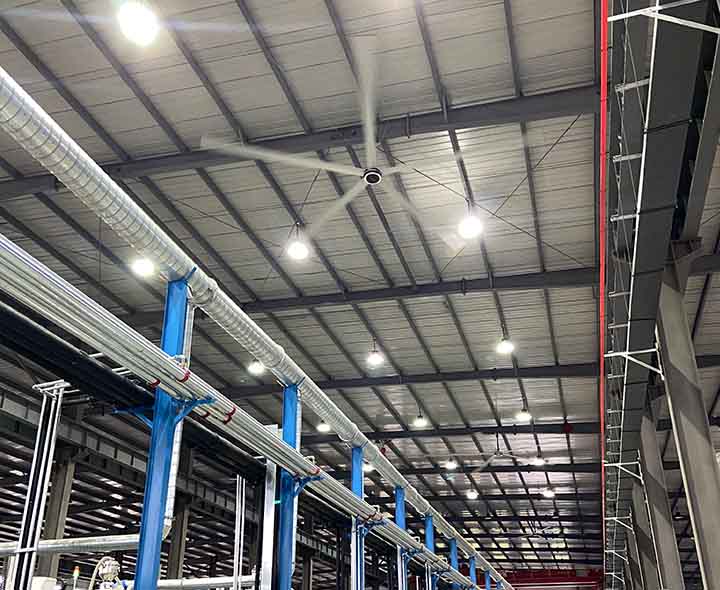
Even a well designed fan can sound louder if placed too close to beams ducts lights racks or walls. High turbulence increases wind noise and reduces comfort. Proper clearance rules and layout planning help maintain smooth airflow paths and keep noise low in occupied zones. Contractors benefit from a layout that includes clearance confirmation before installation.
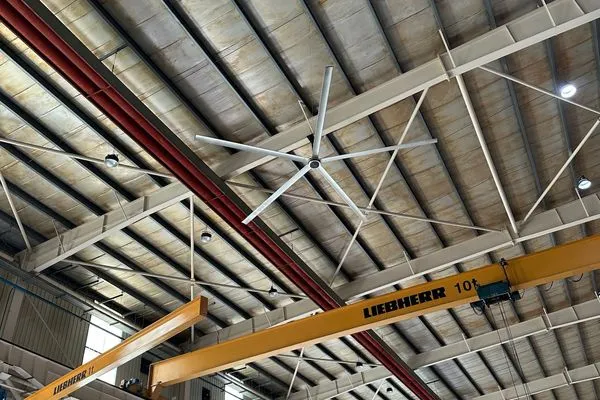
For procurement and project handover quiet performance must be verifiable. Acceptance testing usually includes checking installation stability running at defined speed levels and measuring sound at typical working positions. A commissioning record that includes speed setting and measured noise points helps facility teams maintain consistent operation after handover.
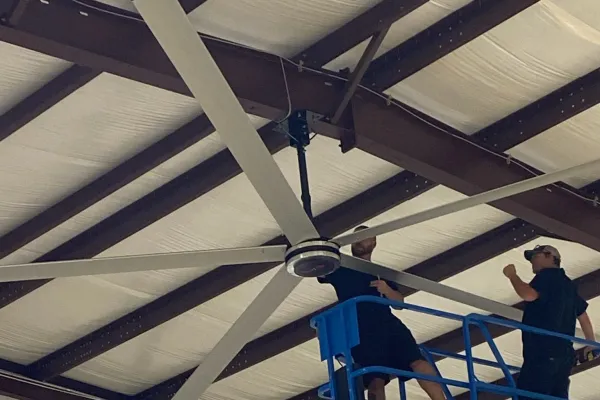
1.Noise Requirement Definition Specify where quiet operation matters most and define acceptable noise expectations by zone rather than one value for the whole building. 2.Sizing and Speed Strategy Select fan size and speed range to achieve comfort circulation at low RPM. Lower speed operation often improves both comfort and noise control. 3.Layout and Clearance Rules Confirm distances to ducts lights sprinklers beams and racks to reduce turbulence noise and ensure stable operation. 4.On Site Acceptance Checklist Verify mounting stability test at defined speed levels measure noise points record commissioning settings and handover documents.

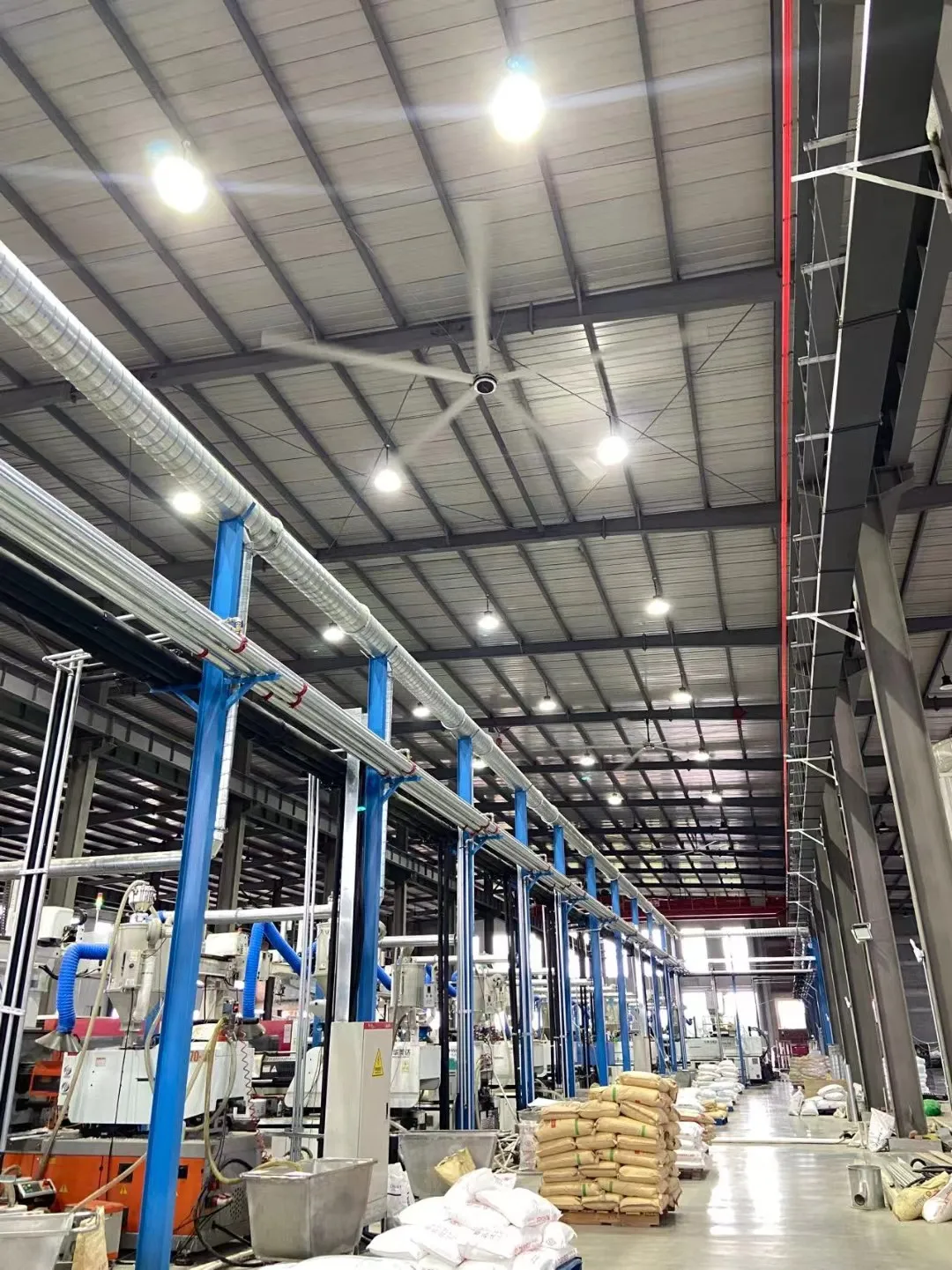
Low noise airflow helps teams communicate clearly and reduces distraction in production environments.
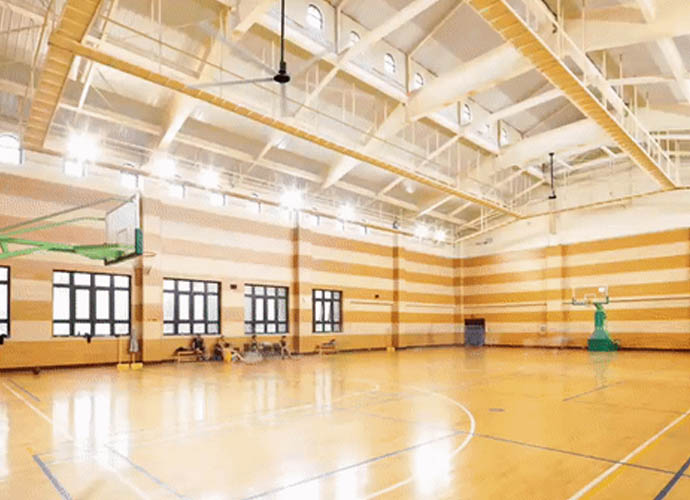
Quiet comfort is essential for gyms retail spaces and public venues where people notice noise immediately.
Defined noise expectations and acceptance tests reduce disputes and speed up project closure.
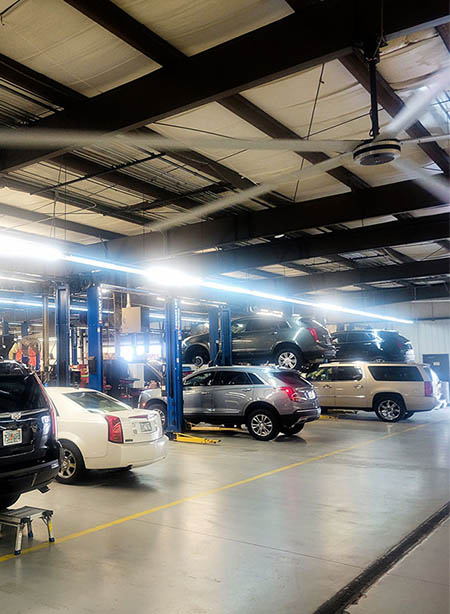
Quiet circulation supports focus and communication in task areas without strong drafts.

Key questions procurement teams and contractors ask when selecting fans for noise sensitive projects.
We will reply you within 24 hours. If for urgent case, please add WhatsApp/WeChat: +1 951 565 7769,. Or call +1 951 565 7769 directly.
*We respect your confidentiality and all information are protected.
We will only use your information to respond to your inquiry and will never send unsolicited emails or promotional messages.