Struggling with skyrocketing utility bills and a stifling work environment? Traditional cooling methods often fail in large spaces, leaving your team exhausted and your budget drained. Our hvls fan solutions provide the ultimate remedy, slashing costs while creating a breezy, productive atmosphere that everyone loves.
An hvls fan (High Volume, Low Speed) enhances energy efficiency by moving massive amounts of air with minimal power. By integrating these fans into your facility, you can reduce energy consumption by up to 30% when paired with an hvac system. This massive reduction in carbon footprint helps buildings qualify for LEED certification, specifically within the “Energy and Atmosphere” and “Indoor Environmental Quality” categories, making them a cornerstone of modern green building design.
1. What Exactly is HVLS Technology and How Does it Work?
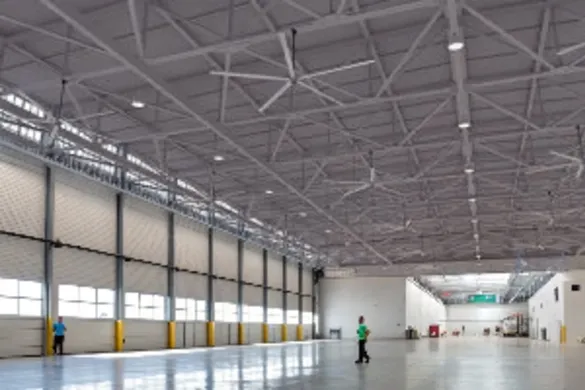
As a manufacturer, I often get asked: “What makes these big fans so special?” HVLS stands for high volume, low speed. Unlike smaller high-speed fans that create a chaotic, narrow stream of air, a single hvls fan uses its massive diameter—often up to 24 feet—to move a giant column of air slowly toward the floor. When that air hits the ground, it pushes outward in all directions, creating a “floor jet” that circulates throughout the entire room.
This hvls technology is brilliant because it relies on physics rather than brute force. By moving air at a low-speed, the hvls fan creates a natural cooling effect for people without the noise or turbulence of high-speed fans. I’ve seen industrial and commercial buildings transform from “saunas” to comfortable workspaces overnight just by installing hvls fans.
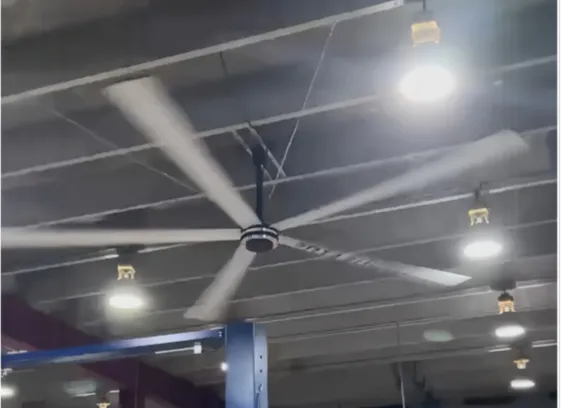
What Exactly is HVLS Technology
2. How Do HVLS Fans Contribute to LEED Certification?
If you are aiming for Leadership in Energy and Environmental Design, you need points. Building certifications like LEED are prestigious, and an hvls fan is a “secret weapon” to earn them. HVLS fans contribute to several credit categories, most notably in the “Energy and Atmosphere” section. Because they allow you to adjust your thermostat, the impact of hvls fans on your overall energy score is massive.
Beyond energy, certifications like LEED value air quality. HVLS fans improve the distribution of fresh air, preventing stagnant pockets where CO2 might build up. When you invest in hvls, you aren’t just buying a ceiling fan; you are investing in a verified green building strategy that increases your property value and shows your commitment to the planet.
3. Can High Volume Low Speed Fans Lower Your Energy Costs?
Absolutely. The primary way fans help save money is through “thermal destratification.” In the winter, warm air gets trapped at the ceiling while your workers freeze on the floor. An hvls fan gently pushes that warm air back down. In the summer, the cooling properties of hvls fans make people feel up to 10°F cooler, allowing you to raise your AC set-point.
Energy efficiency and cost savings go hand-in-hand here. Research shows that for every degree you raise your thermostat, you save about 3-6% on cooling costs. HVLS fans can reduce energy by allowing a 5-degree offset, which means your energy bills could drop significantly.
| Tipo de ventilador |
Uso de energía |
Área de cobertura |
Airflow Feel |
| Ventilador HVLS |
Muy bajo |
Up to 20,000 sq. ft. |
Natural Breeze |
| High-Speed Industrial |
Alto |
Small / Localized |
Harsh / Noisy |
| Ventilador de techo estándar |
Medio |
Residential scale |
Weak in large spaces |
4. Why is Energy Efficiency Critical for Large Industrial Facilities?
In a large industrial setting, the energy consumption of a traditional hvac system can be the single largest overhead expense. When I walk through industrial and commercial plants, I see huge units working overtime. Using hvls fans takes the load off these machines. Fans reduce energy consumption by ensuring the air is always moving, so the AC doesn’t have to cycle as often.
Moreover, hvls fans help reduce the carbon footprint of the facility. With global regulations tightening, energy efficiency and environmental benefits are no longer “nice to have”—they are required. Switching to hvls fans is one of the fastest ways to show a measurable impact on energy usage to stakeholders.
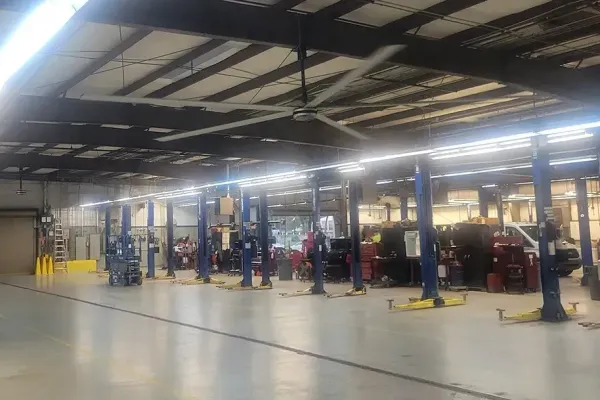
Why is Energy Efficiency Critical for Large Industrial Facilities?
5. How Do Industrial Ceiling Fans Improve Air Quality?
Most people think of industrial ceiling fans only for cooling, but air quality is equally important. In warehouses, fumes or moisture can settle. HVLS fans provide constant circulation that prevents “sick building syndrome.” By keeping the air moving, hvls systems help exhaust systems work better, pulling pollutants out of the air more effectively.
I have personally seen how hvls fans deliver a fresher environment in gyms and sports centers where odors and humidity are constant battles. HVLS fans also help prevent condensation on floors, which is a major safety hazard. This holistic approach to the environment is why hvls fans can help you earn leed credits in a variety of ways.
6. Is the Investment in HVLS Fans Worth the Initial Cost?
Yes, and the math proves it. While the upfront investment in hvls fans is higher than buying a few low-speed fans or pedestal fans, the annual energy savings usually result in a payback period of less than two years. When you consider that a single hvls fan can replace 10 to 20 smaller high-speed fans, the energy cost reductions are obvious.
Energy savings can be significant, but don’t forget the “human” ROI. Happy, cool workers are more productive. In manufacturing, a 1% increase in productivity due to better comfort can dwarf the energy savings itself. HVLS fans cut the hidden costs of heat stress and fatigue.
7. What Are the Environmental Benefits of HVLS Fans?
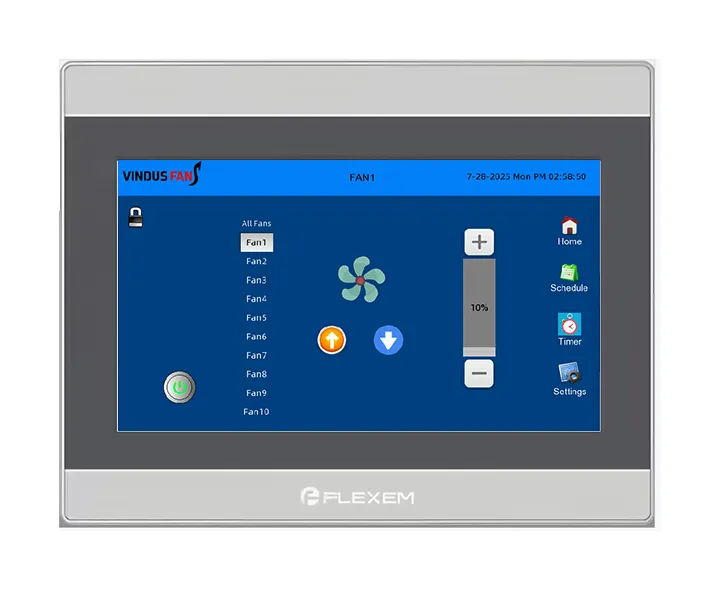
Using less energy is the most direct way to be “green.” Since hvls fans can significantly reduce the workload of carbon-heavy HVAC units, they are a primary tool for energy efficiency and environmental sustainability. HVLS fans can also be integrated with building management systems to optimize energy usage based on real-time temperature data.
By using hvls, you are reducing the demand on the local power grid. As we move toward a more sustainable future, hvls fans reduce the need for massive refrigerant-based systems that often leak harmful chemicals. It’s a clean, mechanical solution to a complex climate problem.
8. How Do Different Types of Fans Compare in Performance?
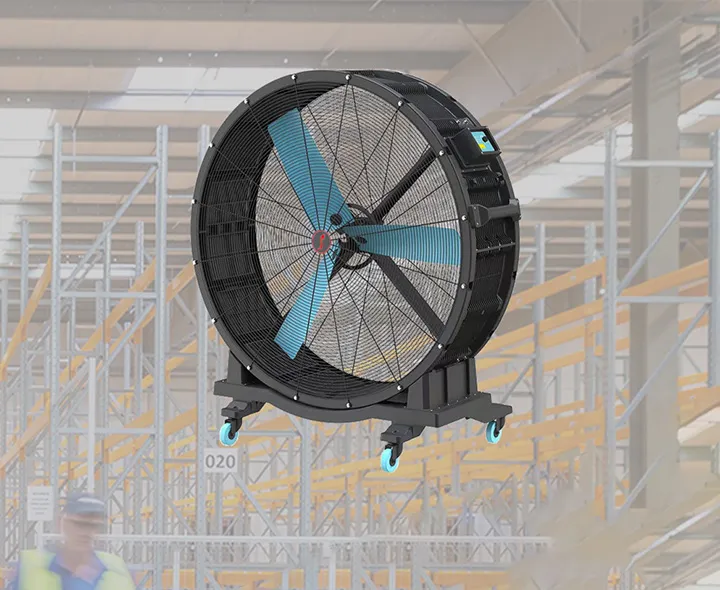
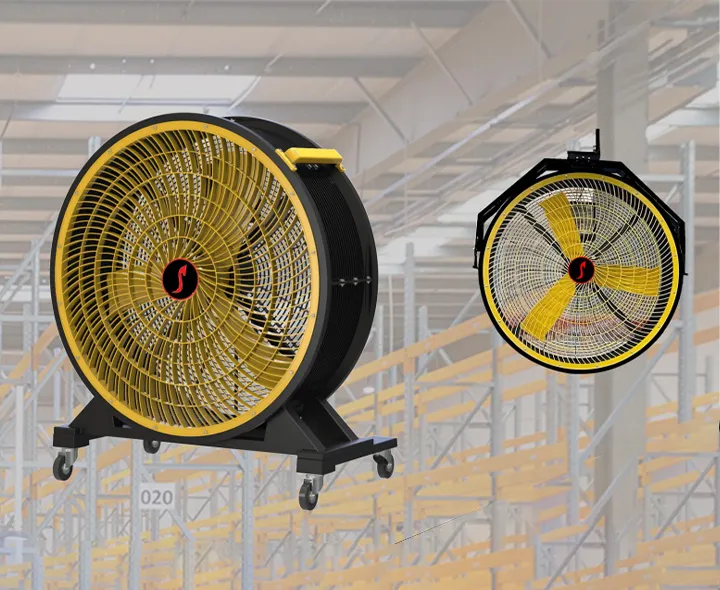
Not all types of fans are created equal. If you use high-speed fans, you get a lot of noise and “wind-chill” in a very small spot. An hvls fan’s design allows it to move air over a vast area using a fraction of the horsepower. In fact, most of our hvls fan models run on a motor smaller than what you’d find in a high-end blender!
Industrial fans that spin fast are often inefficient because of air friction. HVLS technology minimizes this friction, ensuring that hvls fans offer the highest possible “Airflow per Watt.” When comparing energy performance, the hvls fan wins every time.
9. Can HVLS Fans Help with Heating in the Winter?
This is the most “missed” benefit of hvls fans. During winter, heat rises. You’re paying to heat the ceiling! By running your hvls fan in reverse or at a very low forward speed, you can push that warm air down without creating a cold draft. This process, called destratification, can result in hvac energy savings of 20% or more during cold months.
10. Why Should You Choose Our HVLS Fan Manufacturing Plant?
As a dedicated hvls fan manufacturer, we don’t just sell products; we provide solutions. We understand that your energy efficient goals are unique. Whether you need to meet leed standards or just want to save energy on your next bill, our team is here to help. We use the latest hvls technology to ensure every ceiling fan we produce is a masterpiece of engineering.
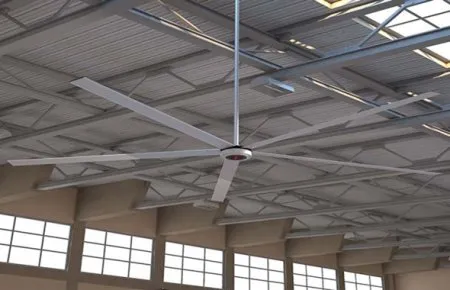
Why Should You Choose Our HVLS Fan Manufacturing Plant?
Preguntas frecuentes
How much can I save on my energy bills with an hvls fan?
Typically, facilities see a 20% to 30% reduction in energy consumption when they integrate hvls fans with their current hvac system. Energy savings can be significant depending on your ceiling height and local climate.
Do these fans help with LEED points?
Yes! HVLS fans contribute to points for energy performance and indoor air quality. They are a recognized strategy for achieving leed certification in both new construction and existing building renovations.
Are hvls fans noisy?
Not at all. Because they are low-speed fans, they operate at a very quiet decibel level, making them perfect for schools, gyms, and commercial buildings where communication is key.
¿Cuántos ventiladores necesito para mi almacén?
It depends on the square footage and obstructions. One large hvls fan can cover up to 20,000 square feet. We can provide a custom layout to maximize your energy efficiency and cost savings.
Key Takeaways for Your Facility
- HVLS fans move massive amounts of air using less energy than multiple small fans.
- They are essential for green building projects and earning LEED credits.
- HVLS technology works year-round to reduce energy costs in both summer and winter.
- Installing hvls fans improves air quality and worker productivity.
- The impact of hvls fans on your carbon footprint is immediate and measurable.
Ready to transform your facility? Contact our manufacturing team today to find the perfect hvls fan solution for your needs!