Floors are cold, rafters are warm, and heating budgets climb. Air rises, so 暖空气 gets trapped at the ceiling level while people feel 凉爽的空气 below. A properly set 超低烟无卤风扇 在 低速 pulls that heat down—making winter heating more effective.
是的-hvls fans in the winter gently recirculate warm air trapped overhead to the ground level, using controlled 空气流动 为了 去层次化. Pick the right ceiling fan direction (gentle downwash), keep speeds low, and let the fan work with your HVAC 减少 取暖费 and stabilize comfort in large buildings.
Outline
- What is an 超低烟无卤风扇 and why do 粉丝帮忙 in winter heating?
- How do hvls 吊扇 fight 分层 and enable 去层次化?
- 其中 ceiling fan direction should I use for fans for winter use?
- 做 hvls 风扇工作 with your 暖通空调系统 to lower 能源成本?
- 仓库 和 大空间: can a 单风扇 reach the ground level?
- How do 工业吊扇 提升 室内空气质量 和 生产率?
- 是否 hvls fans in particular different from a standard 吊扇?
- What do vindus 工业的 and other brands say about spin direction?
- Safety and winter weather: dock doors, humidity levels, and best practices
- Case study: 工商 sites that saw 节省成本 在 colder months
- Sizing 大型吊扇 and understanding energy consumption per square foot
- FAQs for winter months
What is an hvls fan and why do fans help in winter heating?
一个 超低烟无卤风扇 (high-volume, low-speed fan) is a big, slow, quiet machine that moves 大量空气 across long distances. Instead of blasting, it glides. In winter, that gentle column brings warmer air down from the roof to people, tools, and floors.
In tall rooms, air trapped up high wastes fuel because the heating system keeps firing while heat hangs where no one stands. An 超低烟无卤风扇 fixes that by mixing layers without a draft. That means steadier thermostats and fewer hot–cold fights on the floor.
As a manufacturing team that designs, builds, and commissions every 超低烟无卤风扇, we engineer control logic and blade profiles to deliver even mixing at low RPMs. Used well, fans lead to winter savings while keeping teams comfortable.

hvls 风扇应用
How do hvls ceiling fans fight stratification and enable destratification?
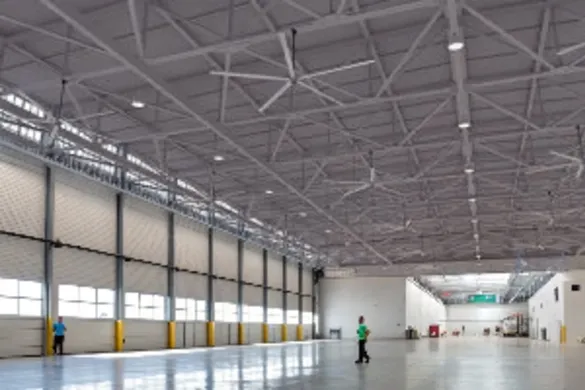
Thermal 分层 happens when warm air rises and stacks near the roof. 去层化 is the cure—blending layers until the top and bottom get closer in temperature. An 超低烟无卤风扇 creates a wide, slow-moving column that spreads and then lifts back up the walls in a big, gentle loop.
When heat is trapped at the ceiling, your boiler or unit heater cycles more, but occupants still feel chilly. By using 去层次化, you mix the warmer air down to occupied zones. That makes setpoints easier to hold and trims wasted run-time.
We’ve seen hvls fans effectively reduce top-to-bottom differences by 5–15°F, depending on height and load. That steadier profile lets hvac systems to work with fewer spikes and smoother modulation.
Which ceiling fan direction should I use for fans for winter use?
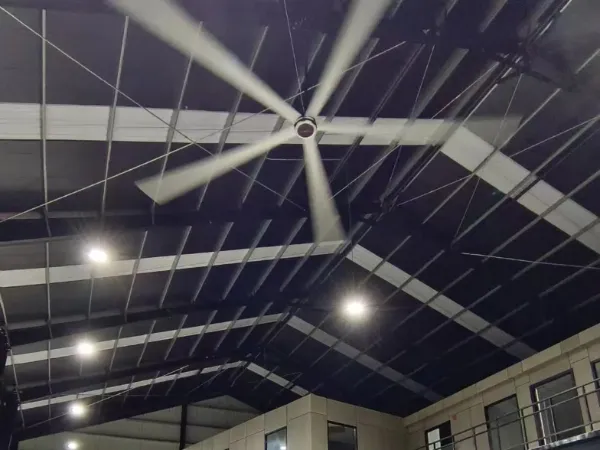
Set ceiling fan direction for a gentle downward wash. On many controllers, it’s counterclockwise for hvls fans in winter, but verify the fan’s spin direction on your drive display or manual—labels can differ by motor wiring.
The purpose is slow 空气流动 that blends layers without chilling people. Keep the knob near the bottom; 低速 is your friend. Remember, hvls fans aren’t heaters; they work with your HVAC to put existing heat where it belongs.
If you use a regular 吊扇, aim for the same idea: barely perceptible flow. 大的 风扇叶片 on an 超低烟无卤风扇 spread a wide, soft column all the way from ceiling level to the floor.
Which ceiling fan direction should I use for fans for winter use?
Do hvls fans work with your hvac system to lower energy costs?
Yes. Pair an 超低烟无卤风扇 with your 暖通空调系统 to even out temperatures so equipment doesn’t overheat the roof air. The result is calmer boiler or unit-heater behavior, fewer long cycles, and lower 能源成本 和 heating bills.
因为 粉丝提供 uniform mixing, you won’t need to “cook” the rafters to warm workers. We commonly see gas savings once teams tune setpoints after adding an 超低烟无卤风扇. That’s real 节省成本, not just comfort.
Even one well-placed 单风扇 can stabilize a 15–20k ft² zone. You get comfort, fewer complaints, and steadier controls—environment and generating cost savings that finance teams appreciate.
Warehouse and large spaces: can a single fan reach the ground level?
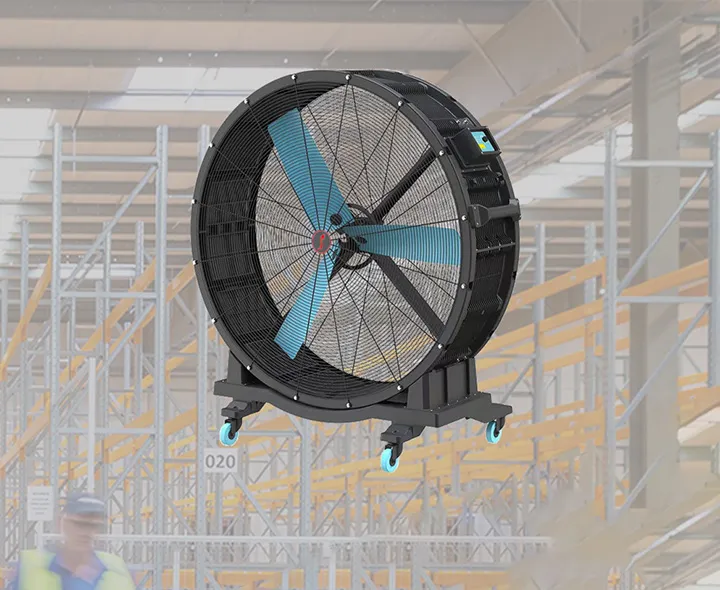
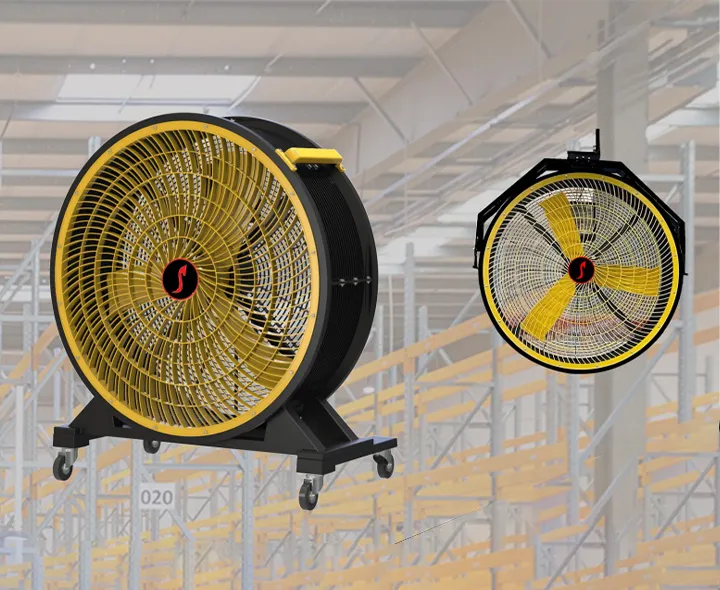
In a tall 仓库 or hangar, a correctly sized 超低烟无卤风扇 pushes a broad, slow column that reaches the ground level. For 大空间, we design overlapping patterns so flow reaches aisles, packing lines, and work cells.
Good layouts keep air with minimized energy consumption moving around racks, lights, and mezzanines. The goal is coverage without drafts. A trained commissioning tech measures velocities and temperatures to dial it in.
If you have mezzanines, ovens, or process heat, we place the 超低烟无卤风扇 to blend those plumes into the loop. That stops air trapped at the ceiling and keeps line workers comfortable.
How do industrial ceiling fans improve indoor air quality and productivity?
Better mixing supports 室内空气质量 by reducing dead zones and helping filters do their job. Paired with smart 加热和冷却 schedules, an 超低烟无卤风扇 holds steadier temperatures—creating a comfortable environment and generating cost benefits day to day.
A smoother thermal profile reduces drafts, hot flashes, and cold ankles. People settle in and focus. That helps 生产率. A stable 工作环境 also ends thermostat tug-of-wars.
Across 工商 sites, an 超低烟无卤风扇 is a practical, low-energy lever for comfort and performance.
Are hvls fans in particular different from a standard ceiling fan?
A small 吊扇 spins fast for a small room. 工业吊扇—and hvls fans in particular—are wide-diameter disks that move volumes of air with minimized noise and power. They glide, not blast.
因为 fans are specifically tuned (diameter, pitch, hub), they 移动大量空气 quietly. That’s minimized turbulence and better coverage. It’s why an 超低烟无卤风扇 feels smooth on the floor.
我们的 工业 HVLS 风扇 run at low RPM and deliver measurable comfort. That shows up as 节省能源 and fewer complaints, especially when winter sets in.
What do vindus industrial and other brands say about spin direction?
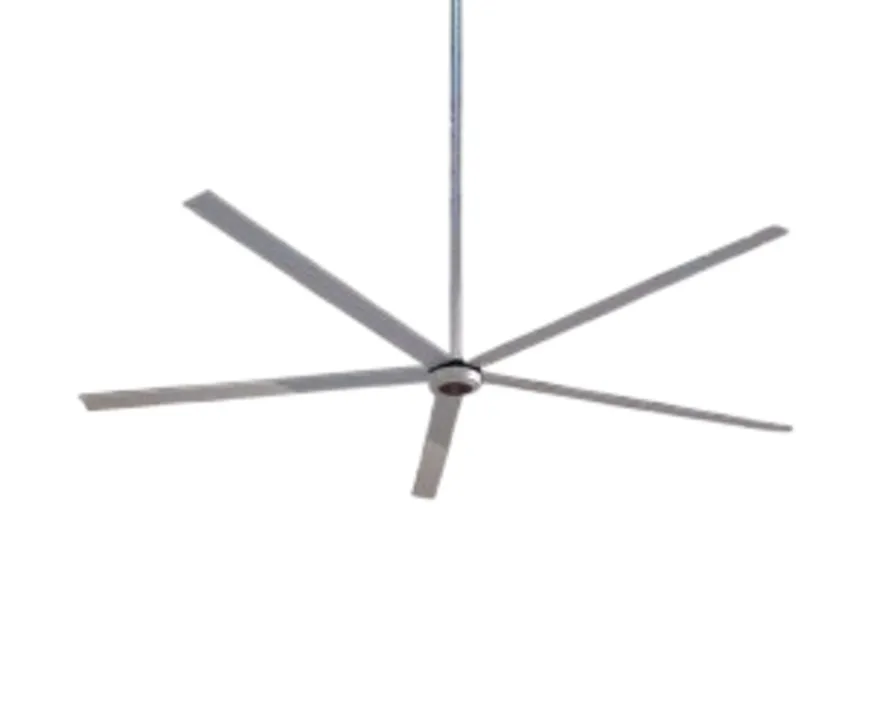
Manufacturers generally agree on winter setup. Brands like vindus industrial advise gentle downwash for cold seasons and using preset “winter” modes where available. Always confirm your control labels and spin direction before commissioning fans for winter use.
When in doubt, hang a ribbon under the 超低烟无卤风扇 and check airflow: you want a soft push downward that spreads and rises along the walls. Our team can help fine-tune your settings.
vindus hvls 风扇
Safety and winter weather: dock doors, humidity levels, and airflow best practices
Near dock doors, gusts can shock the floor when trailers open. 粉丝可以提供帮助 mix that burst with room air quickly so staff stay steady. Watch humidity levels to avoid condensation risks on cool floors.
Plan clearances, and—according to OSHA—keep walkways and equipment paths safe. In harsh winter weather, verify presets and alarms. Your controller keeps the 超低烟无卤风扇 inside safe limits.
Case study: industrial and commercial facilities that saw cost savings in colder months
A Midwest plant added three 超低烟无卤风扇 units across assembly, packaging, and a 仓库. During the colder months, they reported fewer cold-spot complaints and steadier thermostats at occupied height.
Utility data showed a 15% gas reduction after lower setpoints were adopted post-commissioning. The change came from 去层次化 and calmer boiler cycles—not turning up the heat. Staff noticed break rooms and lines felt even, not drafty.
Leadership cited a more comfortable environment and generating cost savings. Maintenance liked the simple drives and low upkeep.
Sizing large ceiling fans and understanding energy consumption per square foot
Sizing depends on height, obstacles, and task zones. We publish minimized energy consumption per square meter benchmarks and planning tables for designers. For planners who work in imperial, we also share energy consumption per square foot ranges by bay height.
Rule of thumb: taller bays need larger disks; tight aisles may use smaller units in a grid. Either way, an 超低烟无卤风扇 helps get heat where people are. In short: hvls fans are the perfect partner for steady comfort.
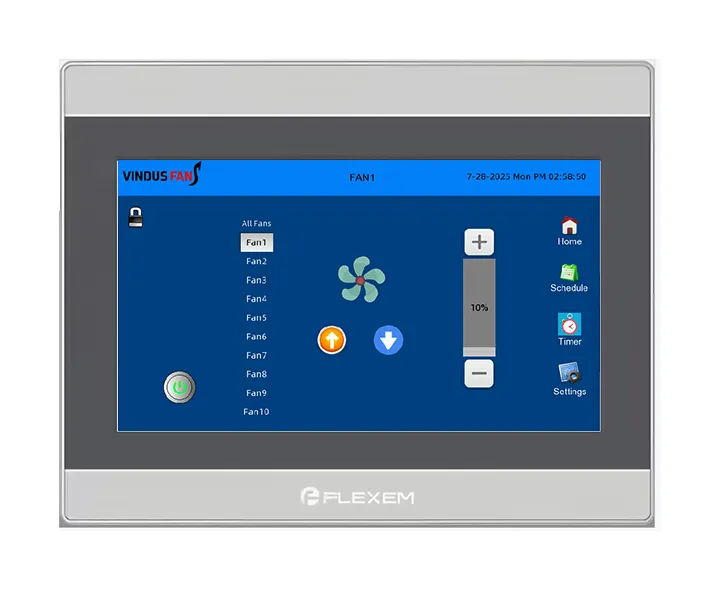
Controls let you schedule heating cooperation, alarms, and seasonal presets. That keeps 低速风扇 quiet while doing the mixing work.
FAQs about hvls fans in winter months
Do hvls fans in the winter replace heaters?
No. hvls fans in the winter recirculate heat you already paid for. They put it where people feel it, so heating equipment runs fewer long cycles.
What ceiling fan direction should I pick for winter?
Use a gentle downwash; on many drives that’s counterclockwise for hvls fans. Confirm the label and test the airflow—keep it smooth, not breezy.
Will an hvls fan lower heating costs and energy bills?
Often, yes. By reducing layers, 取暖费 和 能源账单 can drop in large buildings while comfort rises.
Can a single fan cover my court or line?
Sometimes. We map coverage with CFD and field checks, then place a 单风扇 or a grid for true 去层次化.
How quiet are big fans?
Very. The diameter and blade profile let an 超低烟无卤风扇 move 大量空气 在 低速 settings, avoiding harsh drafts.
How do fans work with controls and the hvac system?
Tie schedules to occupancy so fans work with your HVAC. That keeps temperatures even at ceiling level and floor without overrun.
Quick Sizing & Savings Table
| Bay Height |
Typical Fan Dia. |
Winter RPM (target) |
Indicative Gas Savings |
| 25–35 ft |
16–20 ft |
20–40 |
10–20% |
| 36–45 ft |
20–24 英尺 |
15–35 |
12–25% |
| 46–55 ft |
24–30 ft |
12–30 |
15–30% |
Actual results vary by envelope, process heat, and controls.
Why work with us
We’re a dedicated 超低烟无卤风扇 manufacturer focused on 工业设施, gyms, schools, and 大型工业 sites. We design blades, drives, and controls in-house, and we commission on site. If you want help sizing, setpoints, or layouts, we’ll model your space and recommend placement that fits your workflow and budget, creating a more comfortable 空间。
What you’ll get:
- Engineering-led layout and selection
- Controls that work with your HVAC presets
- Commissioning that tunes heating and mixing together
- Post-install follow-ups to verify results and lock in 节省成本
References
- ASHRAE (the american society of heating, Refrigerating and Air-Conditioning Engineers) principles on comfort and air distribution
- U.S. DOE Energy Saver guidance on 吊扇 usage and seasonal operation (energy.gov)
Key points to remember
- A correctly set 超低烟无卤风扇 blends layers so people feel the heat you already made.
- Use gentle downwash and verify spin direction before winter.
- Keep speeds low; let the fan work with your HVAC to trim peaks.
- Expect steadier setpoints and lower 能源账单 穿过 大空间.
- Place units to reach the ground level while avoiding drafts and obstructions.
P.S. If you’d like, we can review your site drawings and recommend an 超低烟无卤风扇 layout tailored to your bay heights, tasks, and budget.