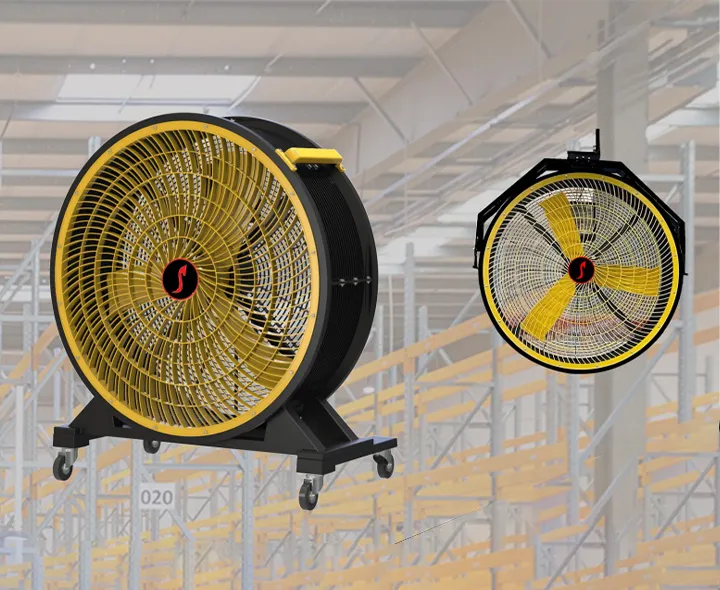
Big stores have big air problems. This guide will help you fix them. It shows how special big fans can make your store better for everyone.
Who This Guide Is For and What You’ll Learn
Are you a facility manager? Do you run a retail store? Are you a designer or an owner? This guide is for you.
You will learn the answers to big questions:
- Do HVLS fans for large commercial retail spaces really work in a big-box store?
- How much money can energy efficient HVLS fans for retail buildings save on power bills?
- Where do I put the fans? What size do I need?
- What rules must I follow? We will talk about ASHRAE, AMCA, and NFPA rules.
What Are HVLS Fans and Why They Matter in Retail Buildings
Let’s learn about these big fans. They are a game changer for large retail spaces.
What are HVLS and LDCF?
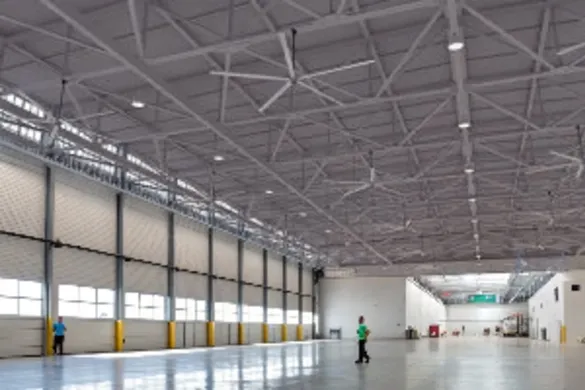
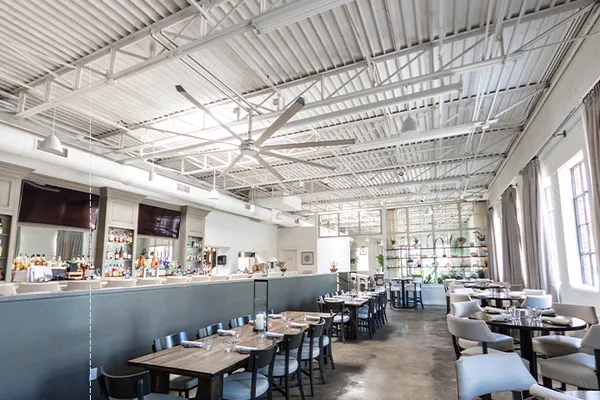
HVLS means High-Volume Low-Speed. LDCF means Large-Diameter Ceiling Fan. These are big fans. They have long blades. They spin very slowly. But they move a lot of air. This creates a soft, gentle breeze. It is not like a small, fast fan. This is low speed air movement in stores.
HVLS 风扇的工作原理
An HVLS fan does a simple job. It pushes a big column of air down to the floor. When the air hits the floor, it spreads out. It moves all across the store. This air movement makes people feel cool. It mixes the air in the whole building. It helps your HVAC system work less.
Companies like Vindus Fans have a vision. They want to change air circulation with new ideas. They started in Spain in 2019. They grew fast. They opened a hub in China in 2020. Now they are in the United States, too. Their Swedish engineering team designs fans to be strong and save energy. This is the kind of smart technology that makes these fans work so well.
The Big Difference: HVLS vs. Small Fans
A small fan is for a small room. A big ceiling fan for commercial retail stores is different.
| 特征 |
小风扇 |
超大节能风扇 |
| 尺寸 |
Small blades |
Very big blades (8 to 24 feet) |
| 速度 |
Fast |
Slow |
| 空气流动 |
A small, fast jet of air |
A big, wide column of air |
| Area |
One small spot |
Thousands of square feet |
| Energy |
Uses more power for the area |
Uses very little power for the area |
One HVLS fan can do the work of 20 small fans. This makes them perfect industrial ceiling fans for large retail spaces.

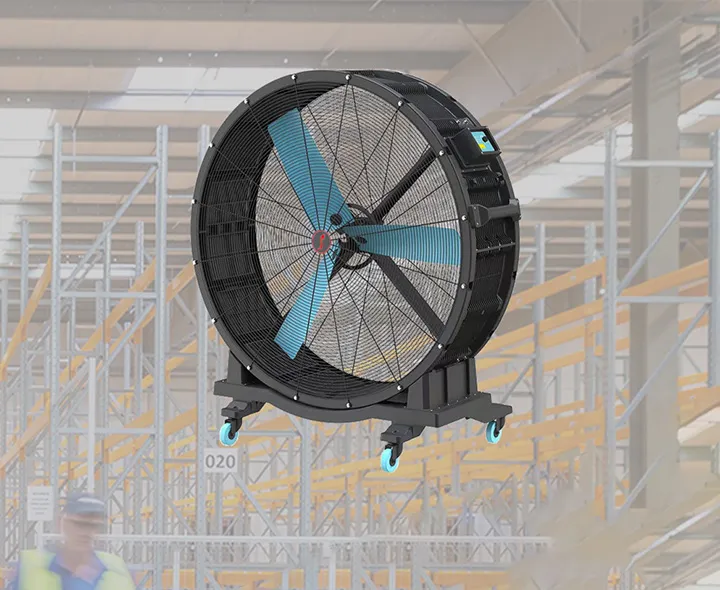
HVLS fan vs other regular fan
The Problem: Comfort Challenges in Big Retail Stores
Big retail spaces have big challenges. Without the right air system, they can be unhappy places. This is a problem for your shoppers and your staff.
Hot Air Gets Trapped High Up
Heat rises. In a big-box store with a high ceiling, all the warm air gets stuck up high. The cold air stays low on the floor. This is called thermal stratification.
Your heaters work hard to warm the store. But that heat goes straight to the ceiling. It is wasted. Down on the floor, shoppers feel cool. Your staff may be cold. Your energy bills are very high. But no one feels comfortable. This is a big waste of money and energy.
Destratification fans for large retail stores fix this. They push the warm air back down. This mixes the air. The temperature becomes the same everywhere.
Hot and Cold Spots Drive Customers Away
Your store has uneven temperatures. The checkout area is hot. The frozen food aisle is freezing. The entrance is drafty.
Shoppers feel this. If they are not comfortable, they will not stay long. Unhappy staff do not work as well. Customer comfort in stores is very important. Hot and cold spots make for a bad shopping experience. This can hurt your sales.
这 best hvls fans for large retail spaces create gentle air movement. This air circulation in malls and stores gets rid of hot and cold spots. Everyone feels better.
Stuffy Air and Wet Floors
The air in your store feels stale or stuffy. In a supermarket, you might have wet floors near coolers. This is from condensation.
Stuffy air is not healthy. It can make people feel tired. Wet floors are very dangerous. A customer could slip and fall. This is a big risk for your business. This is a problem for indoor air quality in stores.
HVLS fans for humidity control in supermarkets keep the air moving. This stops the air from feeling stuffy. It also helps dry up wet spots. This makes the store safer and healthier.
Key Benefits of HVLS Fans in Your Retail Space
Now let’s look at the solutions. Adding HVLS fans brings many good things. They save money and make people happy.
Better Comfort and a Better Shopping Trip
People feel cooler with a small breeze. An HVLS fan makes a breeze that can make people feel 5 to 10 degrees cooler. This is a fact from ASHRAE Standard 55, a rule for thermal comfort.
- Shoppers stay in your store longer. This can boost customer dwell time in stores.
- Staff feel better. This can improve worker comfort in retail.
- Your store feels fresh and airy.
This makes your store a place people want to be.
Big Energy Savings
This is a big one. HVLS fans to reduce hvac costs in retail are very effective.
| How HVLS Fans Save Energy |
储蓄 |
说明 |
| Less Air Conditioning |
Set your AC 5-10°F warmer. |
The breeze from the fan will keep people feeling cool. |
| Less Heating |
Up to 30% cut in heating energy. |
The fan pushes trapped heat down from the ceiling. |
| Total Savings |
Around 9% to 30% on HVAC bills. |
This leads to a fast payback period of HVLS fans. |
The HVLS fan ROI for large commercial spaces is often just 1 to 3 years. This is a smart investment.
Even Temperatures Everywhere
No more hot and cold spots. HVLS fans mix the air. This is called destratification.
- It works in stores with high ceiling retail spaces.
- It works in open areas like atriums.
- It works on retail mezzanine levels.
The temperature becomes stable. This is a big part of climate control with HVLS fans for retail spaces.
Better Air and Less Moisture
Moving air is healthy air. HVLS fans help with this.
- They reduce condensation on retail floors.
- They keep the air from getting stale.
- They help control humidity.
This is very good for hvls fans for grocery distribution centers and supermarkets.
A Quiet and Calm Store
You may think a big fan is loud. But they are not. Low noise HVLS fans for commercial interiors are very quiet. Modern fans can be less than 40 dBA. That is quieter than a library. This makes the store feel calm.
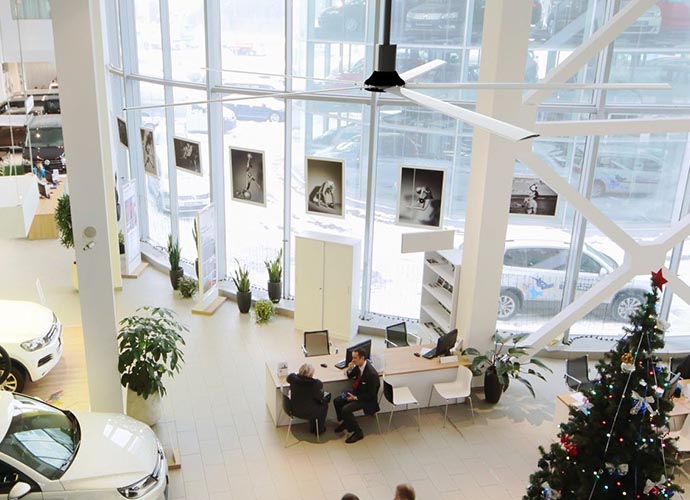
适合商业场所的 HVLS 风扇
Where to Use HVLS Fans in Your Store
You can use commercial HVLS ceiling fans in many places. They work well in almost any large retail building.
Big-Box Stores and Warehouse Clubs
These stores are perfect for HVLS fans.
- Home improvement warehouse stores
- Warehouse clubs and wholesalers like Costco
- Furniture retail warehouses
- Hypermarket cooling is a key use.
These are hvls fans for warehouse style retail stores. They need big air solutions.
Supermarkets and Grocery Stores
Supermarkets need good air.
- They help in the fresh food aisles.
- They make checkout lines more comfortable.
- They are great for warehouse style grocery stores.
High volume low speed ceiling fans for agriculture are similar. They show how these fans handle big, open spaces with specific needs.
Shopping Malls and Big Centers
Malls have huge open areas.
- Shopping mall corridors
- Atrium style retail spaces
- Mall food courts
Large diameter HVLS fans for shopping malls keep these big spaces feeling fresh.
Back Rooms and Storage Areas
Do not forget the back of the house.
- Retail stockrooms and storage
- Retail logistics centers
- Loading dock areas of retail buildings
Your staff will thank you. These fans make work better and safer. You can explore a range of 仓库风扇 to see options for these spaces.
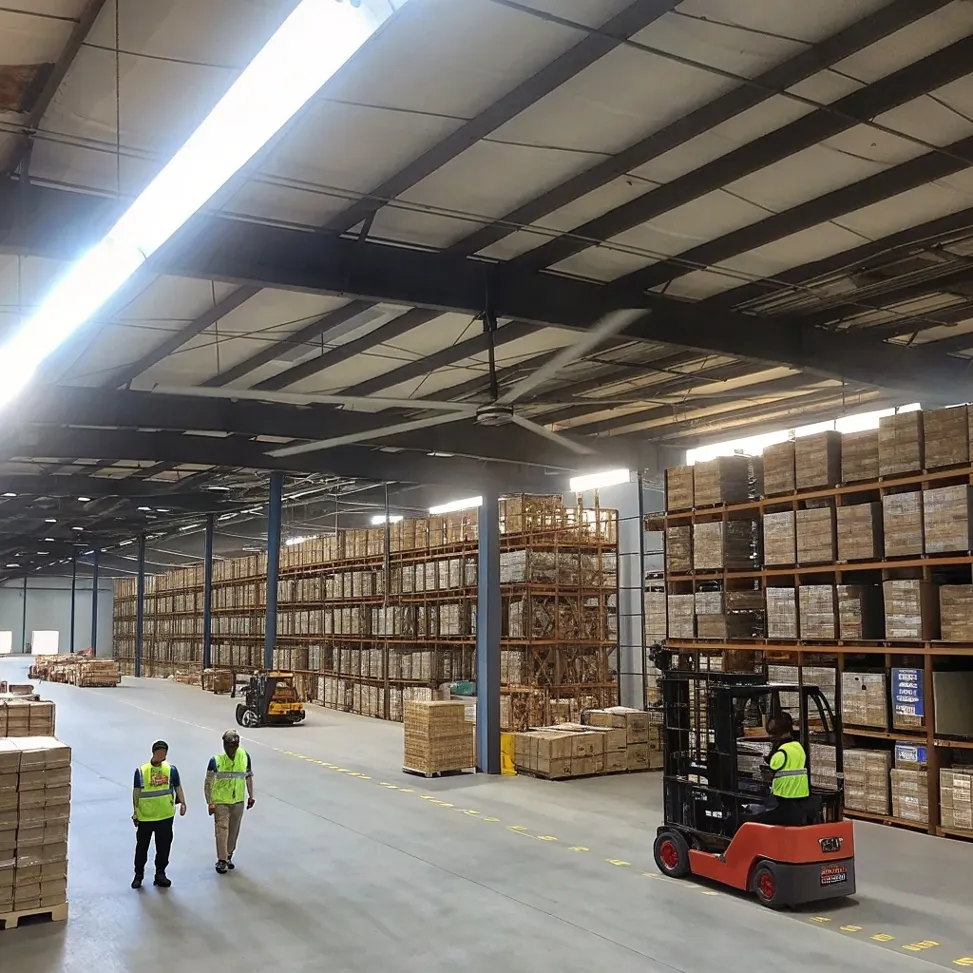
HVLS fan in warehouse
How to Size and Place Your HVLS Fans
Getting the right fan and putting it in the right place is key. This is how you get the best results.
How Much Air Do You Need?
First, think about the goal. You want a gentle breeze of about 2 to 3 miles per hour. A good HVLS fan design service for big retail spaces can help you with this. They can figure out the HVLS fan CFM requirements for retail space.
Choosing the Right Fan
The right fan depends on your space.
- Ceiling Height: Taller ceilings need bigger fans.
- Obstacles: Think about lights, signs, and sprinklers.
- Layout: An open plan is different from a store with many aisles.
This table gives a rough idea for sizing hvls fans for retail buildings:
| Store Size |
Area |
Fan Size and Number (Example) |
| Small Supermarket |
10,000 sq ft |
3-4 fans at 10-12 ft wide |
| Big-Box Store |
50,000 sq ft |
6-10 fans at 12-16 ft wide |
| Mall Atrium |
20,000 sq ft |
2-6 fans at 12-24 ft wide |
Where to Put the Fans
HVLS ceiling fan placement in retail stores is a science.
- Space them out to cover the whole floor.
- Do not put them too close to walls.
- Make sure they do not block important signs.
- Work with a good plan for HVLS fan spacing guidelines for commercial retail.
Using Fans with Your HVAC
HVLS fans do not replace your HVAC. They help it. They are combined with air conditioning in retail.
- In Summer: Turn your AC thermostat up. The fans create a wind chill.
- In Winter: Run the fans slowly in reverse. This pushes warm air down.
- This is a key part of retail energy savings projects.
Safety Rules and Standards for HVLS Fans
Safety is number one. There are rules for these big fans. A good hvls fan supplier for large retail projects will know all of them.
Comfort Rules: ASHRAE 55
This rule is about making people feel comfortable. It says that air movement can make a warm room feel cool. HVLS fans are a key tool to meet ASHRAE 55 comfort standards.
Performance Rules: AMCA 230
How do you know a fan does what it says it does? Look for HVLS fans with AMCA certified ratings. The Air Movement and Control Association (AMCA) tests fans. This proves their performance.
Safety Rules: UL 507 and NFPA 13
- UL 507 is a safety standard for electric fans.
- NFPA 13 is about fire sprinklers. Fire sprinkler compliant HVLS fans in retail stores are a must. The fans must be a safe distance from sprinklers. They must also shut off automatically if the fire alarm goes off.
You must use NFPA 13 compliant HVLS fans for commercial buildings.
What to Ask Your Supplier
Ask for proof. A good supplier will give you:
- AMCA Certified performance data.
- UL safety listings.
- Clear instructions and manuals.
- Information on how they meet DOE compliant HVLS fans for commercial buildings rules.
Smart Controls for Your Fans
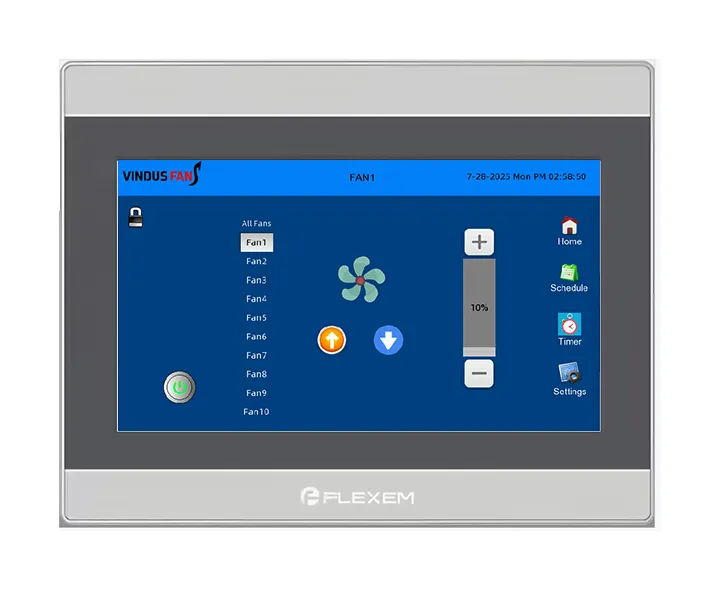
Modern fans are smart. Smart HVLS fans with building management integration give you total control.
Speed Control for Every Need
Use a Variable Frequency Drive (VFD) to change the fan’s speed.
- Run them faster on a hot day.
- Run them slower on a cool day.
- You can control fans in different zones of the store.
Automatic Fan Control
Use sensors to run the fans.
- HVLS fans with integrated temperature sensors can adjust speed on their own.
- Link them to timers or occupancy sensors.
- This makes your system even more efficient.
Link to Your Building’s Brain
You can connect your fans to a Building Automation System (BAS). This lets you control everything from one place. This is key for big retail chains.
The Cost and ROI for Retail Stores
Is it worth the money? Yes. Let’s look at the business case.
Upfront Cost vs. Long-Term Savings
The first cost is called Capex. The money you save is called Opex.
- HVLS fans save a lot on energy bills.
- They can make your HVAC system last longer.
- You may get energy rebates in retail for installing them.
Real ROI Examples
Many stores see a full payback in 1 to 3 years. A large shopping mall might save $10,000 to $50,000 per year on energy. A large retail chain saw a 25% drop in energy use after adding HVLS fans.
Good for the Planet
Saving energy is good for the Earth. This helps with your company’s ESG goals. It is a big part of green building retail developments and getting LEED certified retail spaces. A company committed to sustainability, like Vindus Fans, builds products that help customers meet these goals.
How to Choose the Right HVLS Fan Supplier
Your partner in this project is very important. Choose a good HVLS fan manufacturer for commercial retail buildings.
Who to Look For
- Look for a company with experience in retail.
- Ask for case studies from stores like yours.
- Choose a manufacturer with AMCA certification. A global company with deep engineering expertise, like the team at Vindus Fans, can provide robust, tested solutions for international retail store projects.
What to Ask
- What is the fan’s CFEI (Ceiling Fan Energy Index)? This is a DOE metric.
- What are the noise levels?
- How will you help with the design and layout?
- How do you support turnkey HVLS fan installation for shopping malls?
What to Expect for Big Projects
For a big retail chain, you need a partner who can deliver.
- They should provide drawings and models (BIM/Revit).
- They should have a clear plan for installation.
- They should offer training for your staff.
- They should offer custom HVLS fan solutions for retail chains.
You can learn more about how a top hvls fans manufacturer operates and what to look for.
FAQs: Your Questions Answered
Here are answers to common questions about HVLS fans for large commercial retail spaces.
Do HVLS fans actually cool the air?
No. They do not change the air temperature. They cool people. The breeze on your skin makes you feel cooler. It’s called the wind chill effect.
Can I use HVLS fans with my air conditioning?
Yes! They work together. The fans help the AC do its job better. You can set the thermostat higher and still feel cool. This is the main way they save money.
Are these fans safe with my fire sprinklers?
Yes, if they are installed right. You must follow NFPA 13 rules for clearance. The fans must also be wired to shut down when a fire alarm sounds.
How many fans do I need for my store?
It depends. A simple rule is one fan can cover between 2,000 and 9,000 square feet. But it depends on the ceiling height, layout, and fan size. The best way is to get a custom layout from a professional.
What maintenance do they need?
Very little. Maintenance of HVLS fans in retail buildings is simple. You should inspect and clean the blades once or twice a year. That’s it. They are built to last.
Next Steps: Plan Your Project
Ready to make your store better? Here is how to start.
- Get a Site Survey: Have an expert look at your store.
- Work with Your Team: Talk to your HVAC, electrical, and fire safety designers.
- Start with a Pilot: For a large chain, try an installation in one store first. See the results. Then roll it out to all your stores.
By planning well, you can bring all the benefits of big commercial ceiling fans for commercial-building to your retail space.