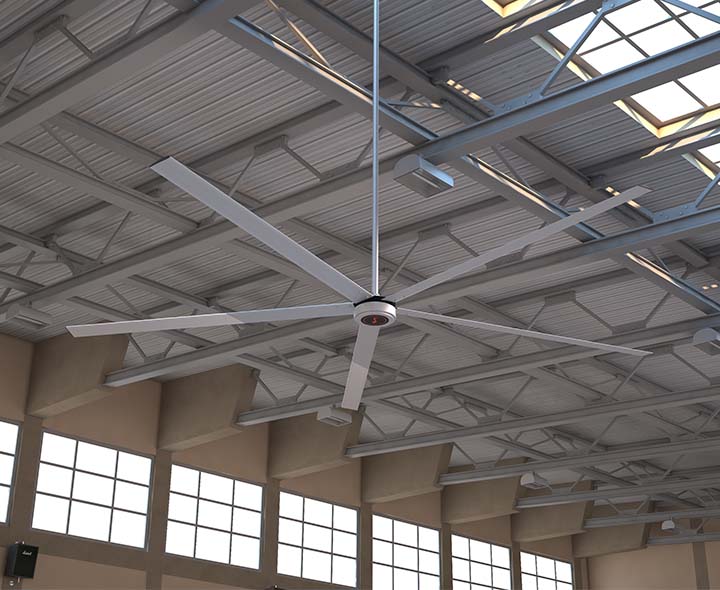
HVLS-Lüfter der Serie M650
More
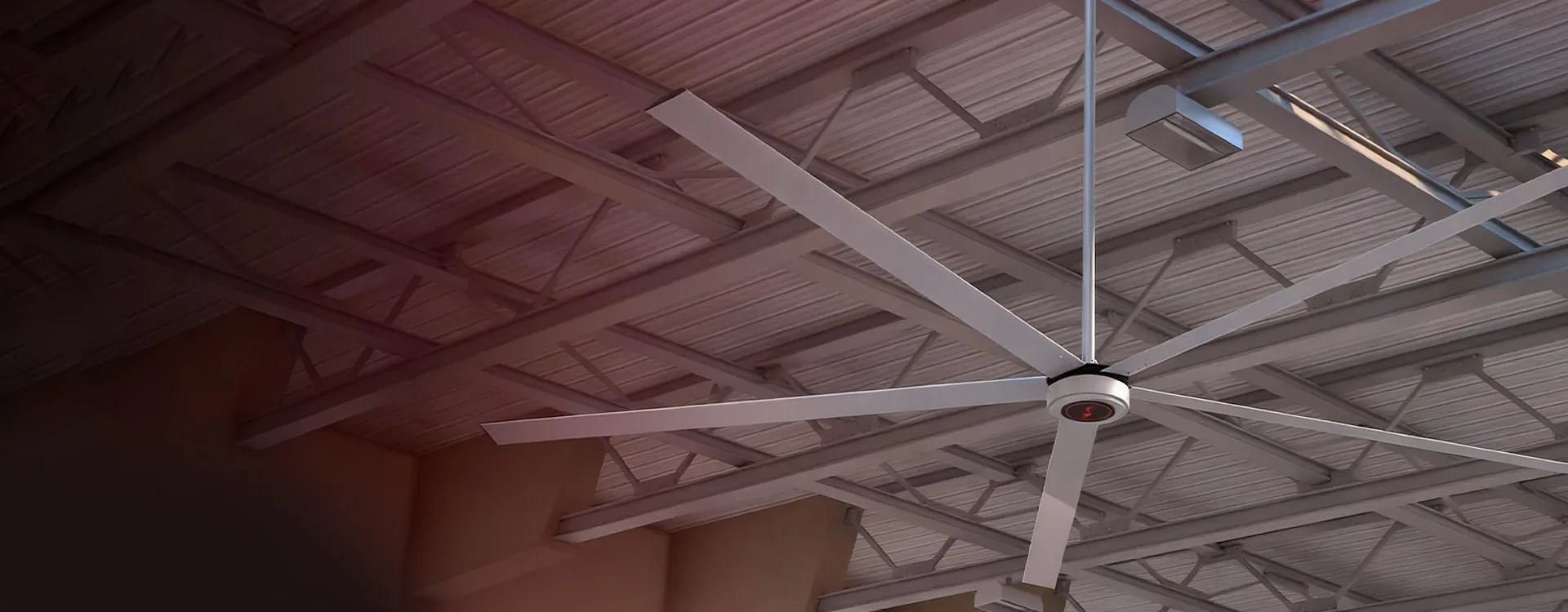
A factory ventilation system is only successful when it solves heat buildup humidity dust and air stratification without disrupting production. This guide shows a practical route to plan ventilation for large industrial buildings using a combination of airflow circulation zoning control and site ready installation design. Share your facility layout and we will recommend a project ready configuration with drawings delivery planning and acceptance points.

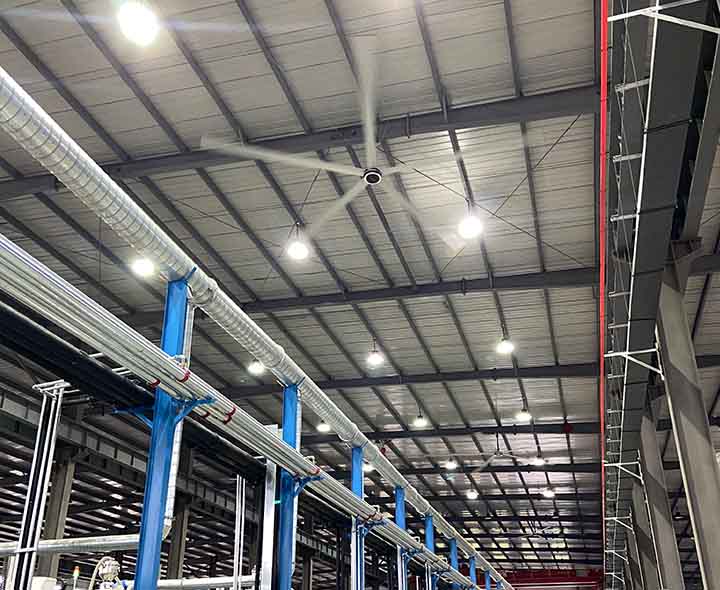
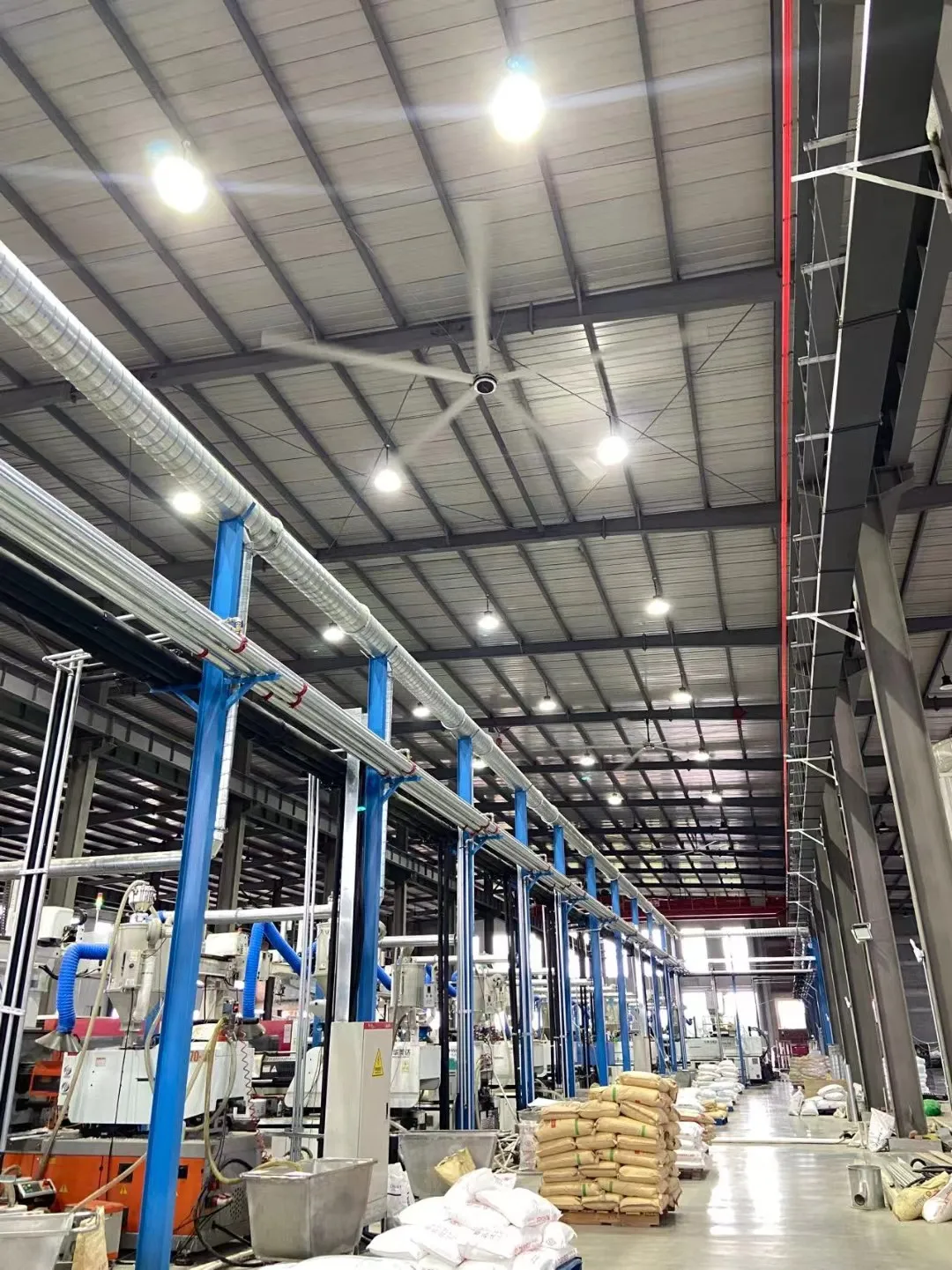
Many factories already have exhaust or roof ventilation but still suffer from hot zones humid corners and uneven airflow. The reason is that ventilation is not only about air exchange it is also about air distribution. A complete factory ventilation system should move air through working zones stabilize temperature layers and reduce stagnant areas around equipment racks and production lines. For large open buildings an airflow circulation approach with properly planned HVLS zones often improves comfort and productivity while supporting existing exhaust and HVAC systems.
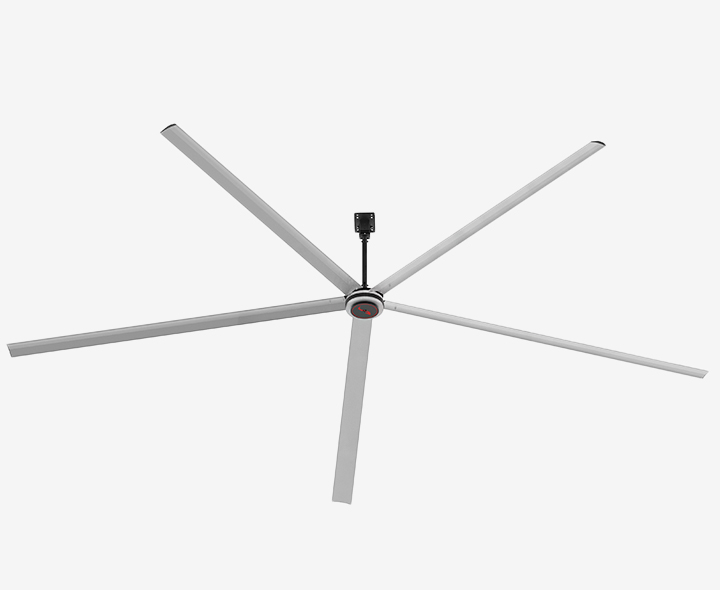
Start with a simple zoning map. Mark heat sources ovens machines lighting dense storage and high traffic areas. Then define the target for each zone such as heat relief humidity control or comfort airflow for workstations. This prevents over design in low priority areas and ensures your industrial cooling systems budget is spent where it creates measurable improvement.

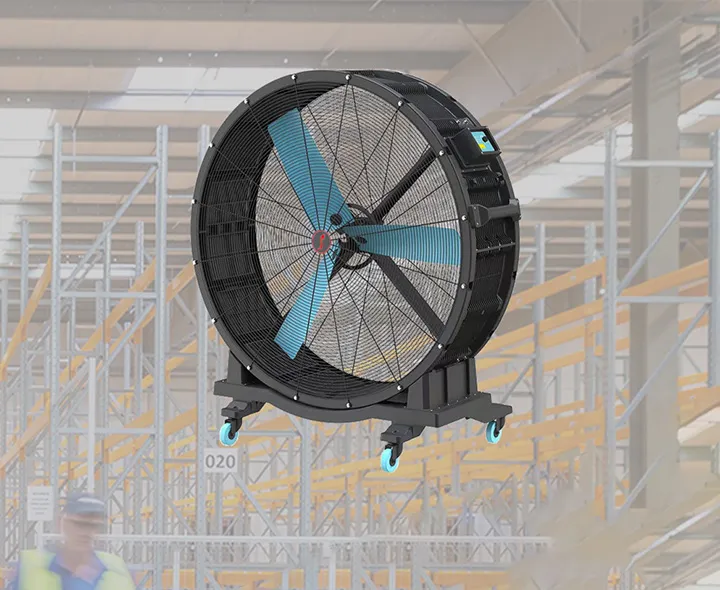
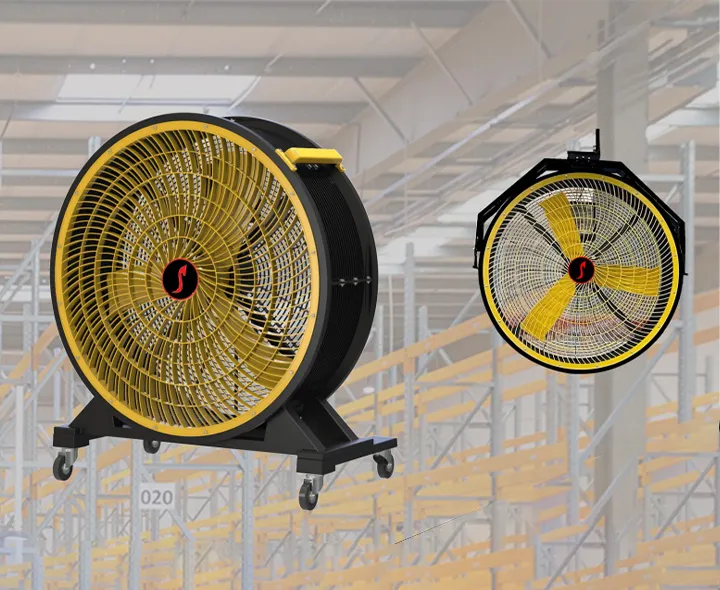
A large facility needs steady circulation to eliminate air stratification and stagnant pockets. Instead of relying only on exhaust a circulation layer moves air through the occupied zone and supports fresh air intake and exhaust discharge. This is why many industrial fan solutions focus on circulation first then optimize intake and exhaust positions based on roof structure and prevailing airflow paths.
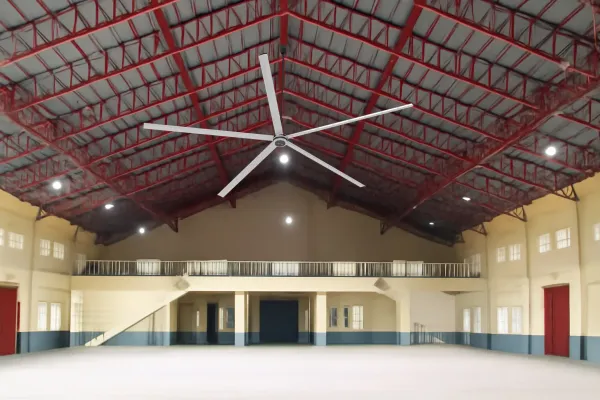
For a factory ventilation system the goal is uniform coverage with safe clearance. Provide ceiling height roof type and obstacles such as cranes ducts sprinklers and lights. Then confirm fan size quantity and placement to avoid dead zones and ensure airflow reaches the working height. Large open spaces benefit from fewer properly sized fans with zoning control rather than many small units that create uneven drafts.
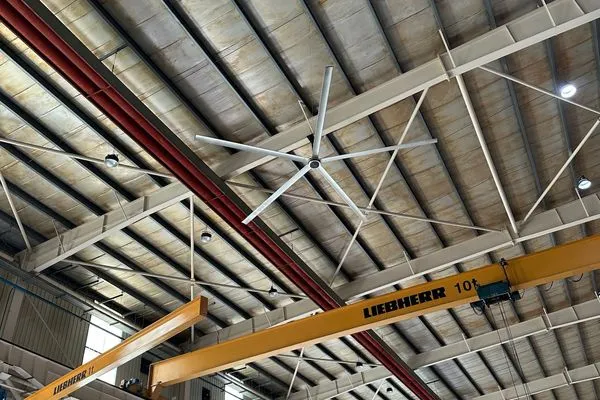
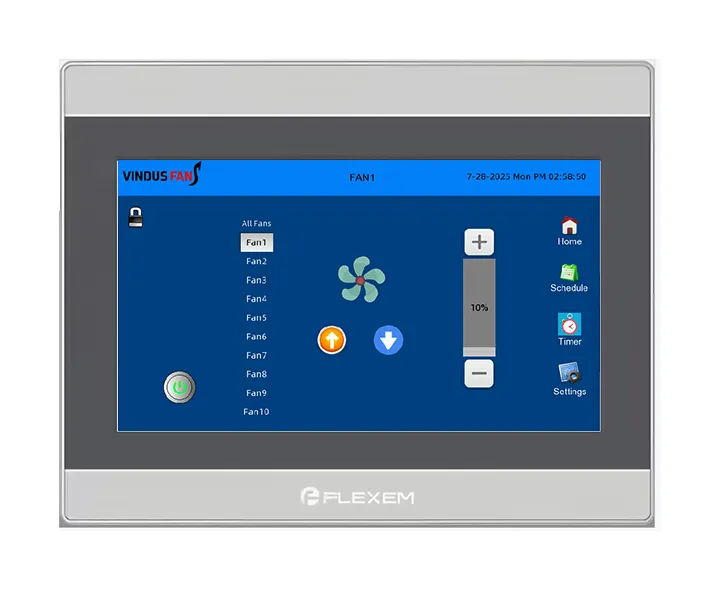
Ventilation performance depends on how the system is operated. Define whether you need single fan control group control or zoning schedules by shifts. For example high airflow during peak heat hours and low speed circulation during normal operation. A control strategy reduces energy use and supports stable comfort without constant manual adjustment.
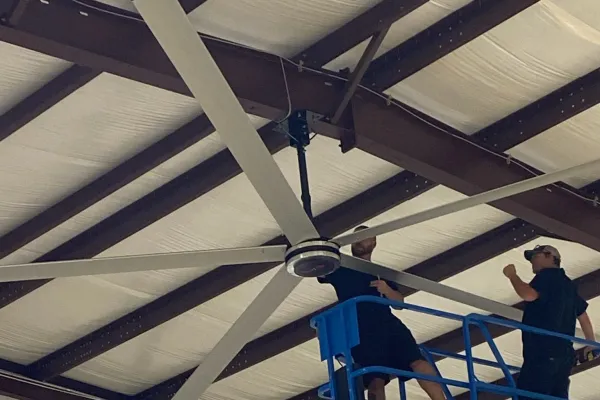
Step 1 Site Data Collection:Building size ceiling height roof structure obstacles heat sources humidity and dust conditions. This baseline ensures accurate layout and avoids rework. Step 2 Airflow Layout and Zoning Plan:Define zones fan size and placement intake and exhaust coordination and operating schedules for different production shifts. Step 3 Project Deliverables:Configuration list drawings installation guidance packing list and commissioning notes. These documents speed up project approval and handover. Step 4 On Site Acceptance Points:Check mounting security clearance and control response verify zone coverage confirm operation schedules and record commissioning parameters for maintenance.

Circulation and zoning enhance roof vents exhaust and HVAC to improve distribution rather than replacing your current system.
Layout review drawings and installation guidance help contractors avoid conflicts with cranes ducts and lights.
Scheduling and zoning control reduce unnecessary runtime while maintaining stable comfort and ventilation performance.
Looking for solutions for specific projects such as warehouse cooling, factory ventilation or big industrial ceiling fans? Explore our Solutions and Applications pages or contact our engineering team for a customized HVLS fan layout design.

Common questions from procurement teams engineers and contractors planning ventilation for large factories.
We will reply you within 24 hours. If for urgent case, please add WhatsApp/WeChat: +1 951 565 7769,. Or call +1 951 565 7769 directly.
*We respect your confidentiality and all information are protected.
We will only use your information to respond to your inquiry and will never send unsolicited emails or promotional messages.